

12 Doable ways to stay active this holiday.
If you’ve been crazy busy this year, you’re probably craving some much‑needed R&R. You know you need the break, but you might also be wondering how to maintain your fitness on holiday – especially when hours in the gym are the last thing on your mind.
With a few simple tweaks, you can look after your body and still enjoy precious time away with family and friends.
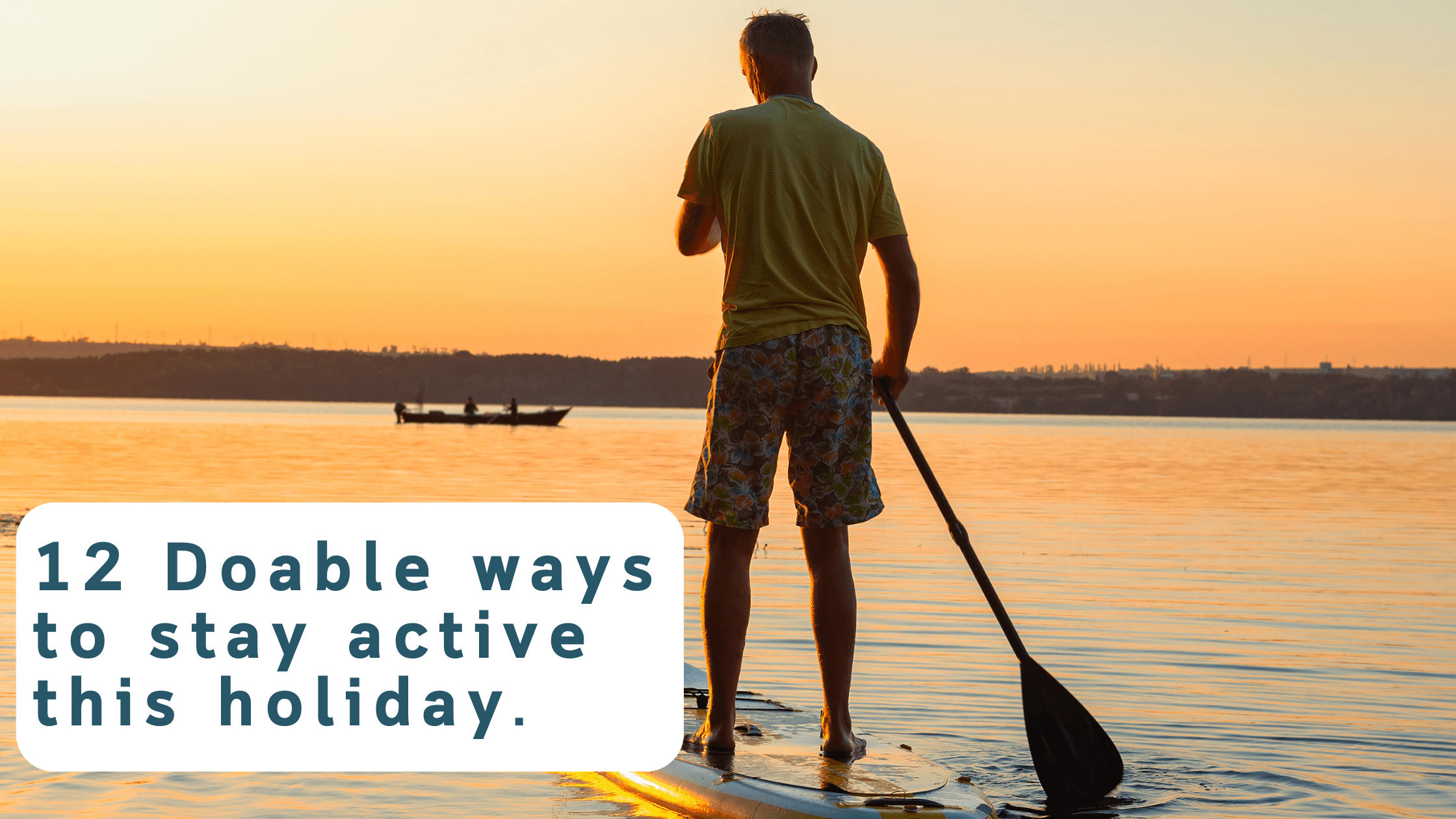
Why staying active on holiday matters.
Keeping your body moving on holiday isn’t about “earning” food or sticking to a rigid routine. It’s about supporting your energy, mood and overall wellbeing so you return home feeling refreshed, not sluggish.
Improves mood: Physical activity triggers the release of endorphins, which can boost your mood and reduce stress – exactly what you want when you’re trying to unwind.
Better sleep and body clock: Moving your body, especially earlier in the day, can support your circadian rhythm and help improve sleep quality.
More freedom later: Getting some movement in the morning frees up the rest of the day for exploring, relaxing or simply doing nothing – without the nagging feeling that you “should” squeeze in a workout later.
The best time and type of exercise will always depend on your preferences, energy and schedule. The key is to find what feels realistic and repeatable for you, rather than aiming for perfection.

01 - Start your day with moving your body.
Exercising in the morning while on holiday makes it much easier to stay consistent with movement and still enjoy plenty of downtime.
A short walk, gentle stretch, Pilates session or quick online class can give you a natural energy boost, lift your mood and reduce stress, helping you relax and make the most of your day.
Morning exercise also supports your body’s natural circadian rhythm, which may improve sleep quality, and often means you beat the heat if you’re in a warmer destination.
By moving first thing, you free up the rest of the day for leisure, exploration or doing nothing at all – without worrying about when you’ll “fit it in”.
The best time to exercise will always depend on your preferences and schedule, but starting the day with movement is a simple way to keep your body feeling good while you’re away and to build a routine you’re more likely to stick with.

02 - Choose “movement snacks” over perfection.
“Movement snacks” are short, bite‑sized bursts of activity (about 2–10 minutes) sprinkled through your day instead of one long, “perfect” workout.
Think marching on the spot while the kettle boils, a few squats while brushing your teeth, a quick stretch after sitting, or a brisk walk around the block between activities.
Over a day or a week, these little pockets of movement add up, support strength, mobility and energy, and feel far more doable on holiday than trying to stick to a rigid exercise routine.
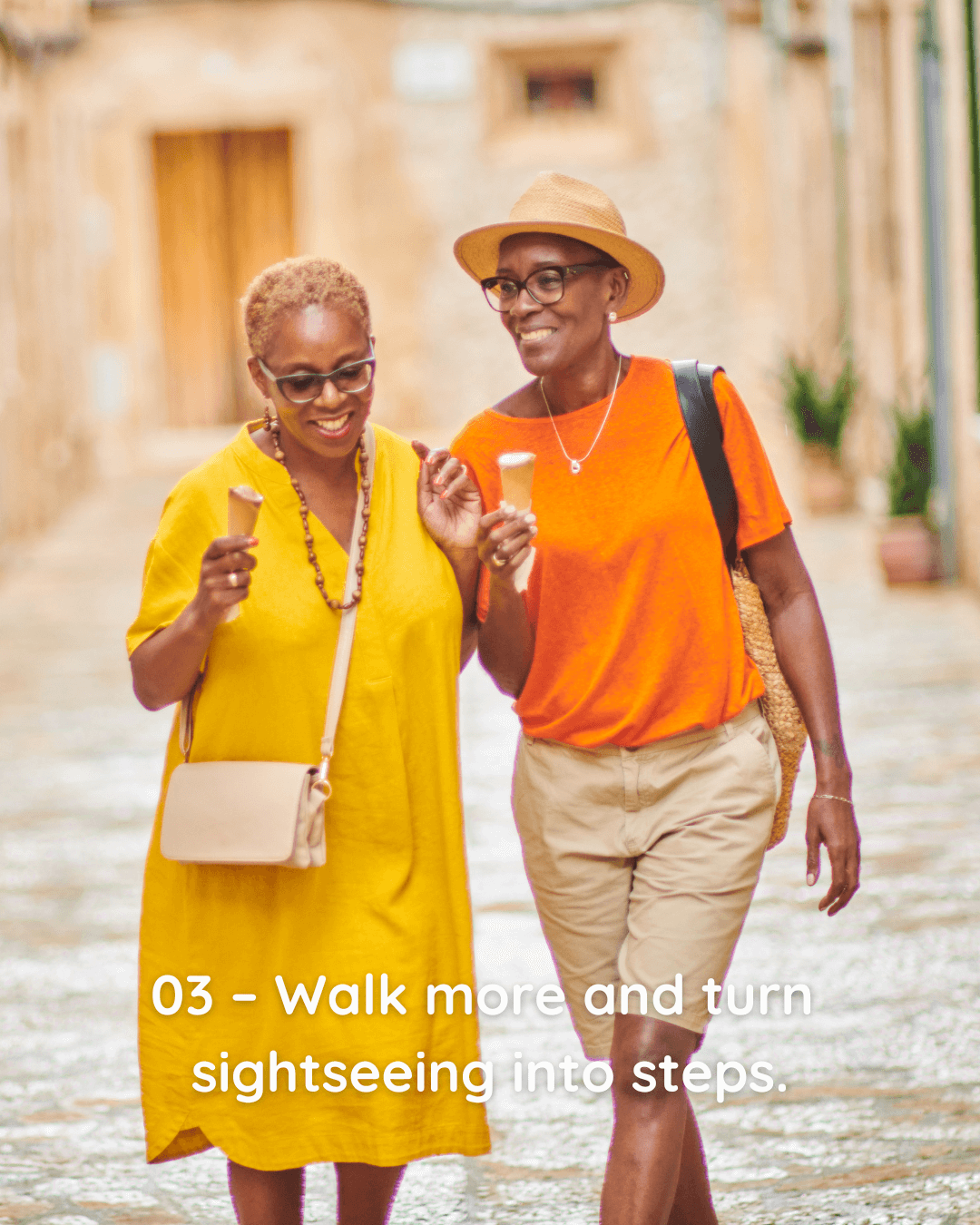
03 – Walk more and turn sightseeing into steps.
Whenever it’s practical and safe, choose walking instead of always driving or taking transport, especially for shorter, walking‑distance trips.
As you explore, turn sightseeing into a simple step challenge by tracking your steps or distance so you see more and build movement into your holiday without needing a formal workout..
Safety first:
I know you know this, but it still needs to be said: Let someone know where you’re going, where you plan to hike and what time you expect to return. For a day hike, pack a small backpack with enough water for the duration of your walk, sunscreen, a hat, snacks if needed, breathable clothing and a map (digital or paper) so you can enjoy your adventure safely.

04 - Take the stairs whenever you can.
Walk to coffee, stroll the markets, wander the coastline or explore a new neighbourhood on foot instead of always driving.
Tip: If you have knee pain and avoid stairs, place your whole foot on each step and lean your body weight slightly forward, then drive yourself up by pushing through the glute (buttock) of the leg on the step below.
Make sure the stepping leg tracks from your second toe through the middle of the shin and knee, rather than dropping inwards.

05 - Plan active outings with family and friends.
Build movement into fun, low‑pressure activities: Play beach volleyball, kick or throw a ball on the beach, play backyard cricket, throw a frisbee, splash in the pool, or dance in the living room.
Treat it as play, not a “workout”, and you’ll often move more, laugh more and create memories while still looking after your body.

06 - Go for a swim.
Swimming is one of the greatest exercises you can do, as it
incorporates the whole body.
If you’re not a fan of swimming in the sea, many beaches have tidal pools which are great and safe way to do some laps if you don't enjoy being in the waves.
If you're not near the beach, look out for a local pool or a fitness centre.
Tip: Never swim alone and always tell someone where you’re going and when you expect to be back.

07 - Try a local Pilates studio.
Check out the local fitness studio or gym.
Many studios or gym offer a day or week pass.
It's a great way to maintain your fitness and strength while away on holiday.

08 - No‑equipment bodyweight workout.
If the gym isn’t your thing, bodyweight exercises let you work out in your accommodation with no equipment at all.
They’re convenient and effective, helping you build muscle, endurance, flexibility, coordination, balance and stability using just your own body.
Combine strength moves with light cardio, like marching on the spot, high knees, skipping or burpees, and always warm up for 5–10 minutes (walking outside or on the spot with arm swings) to prepare your muscles and joints.
Create a simple circuit from exercises such as marching, jumping jacks, heel raises, high knees, triceps dips, squats, lunges, push‑ups, mountain climbers, planks, ab curls, superman, side curls and side planks.
If you’re experienced, aim for about 1 minute of work with 10–15 seconds rest; beginners can do 15–20 seconds with the same rest, allowing partial recovery while keeping your heart rate gently elevated.
Finish with stretches held for at least 30 seconds to help blood flow return from the large leg muscles, reduce soreness and lower injury risk.
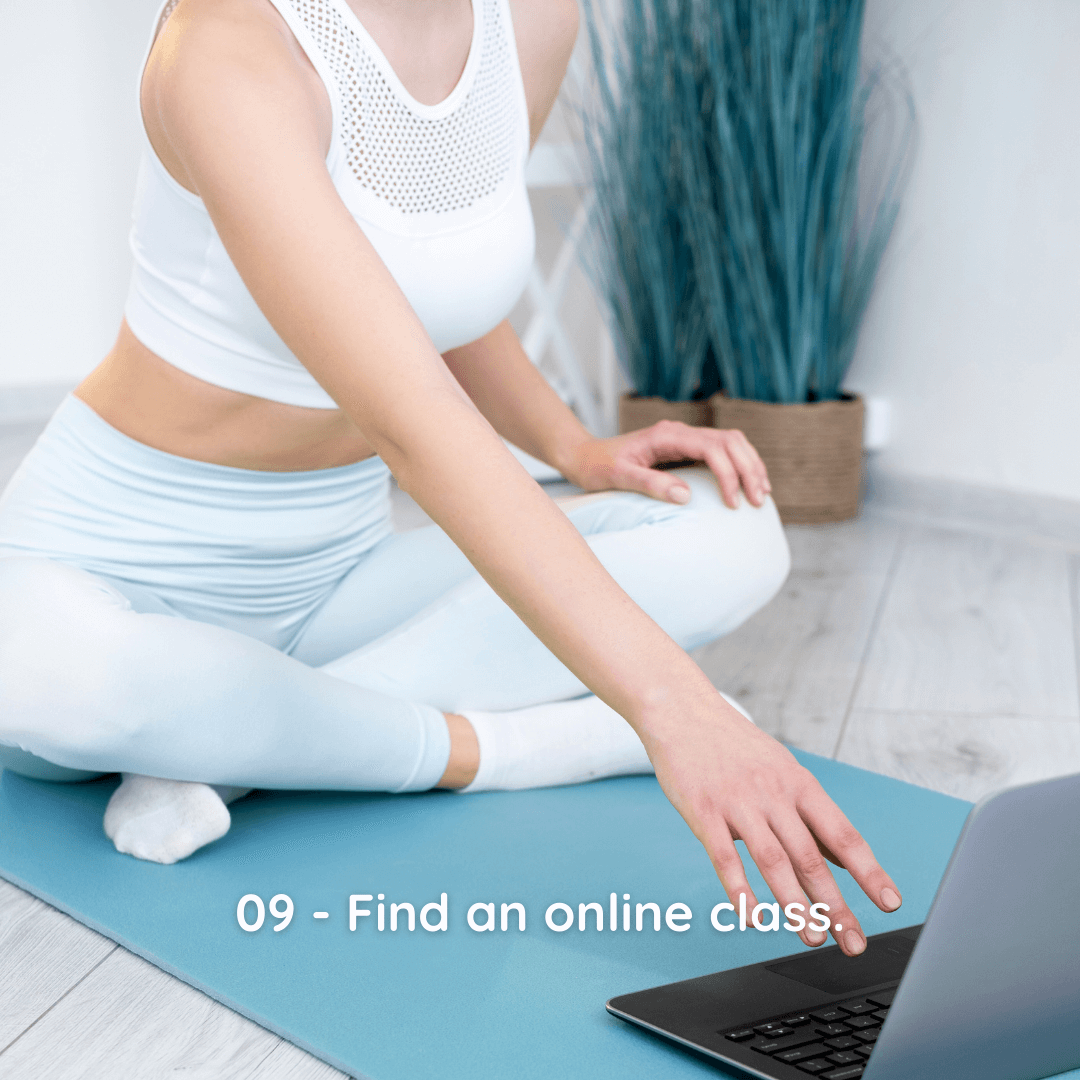
09 - Find an online class.
Find an online class on a platform like YouTube that matches your fitness level, experience and energy.
Just type in the style, duration and “no equipment” if needed, and choose from Pilates, yoga, dance, H.I.I.T., L.I.I.T. or stretching sessions ranging from about 7 minutes to an hour.
My favourite is Nourish Move Love, with Lindsey Bomgren. Lindsey has a Travel workout using a band, you can find the 30-minute workout here.

10 - Check out hotel gyms.
Whether you’re on a cruise ship or booked at a hotel or resort, find out if you have access to their gym or fitness classes.
Convenience at your fingertips.
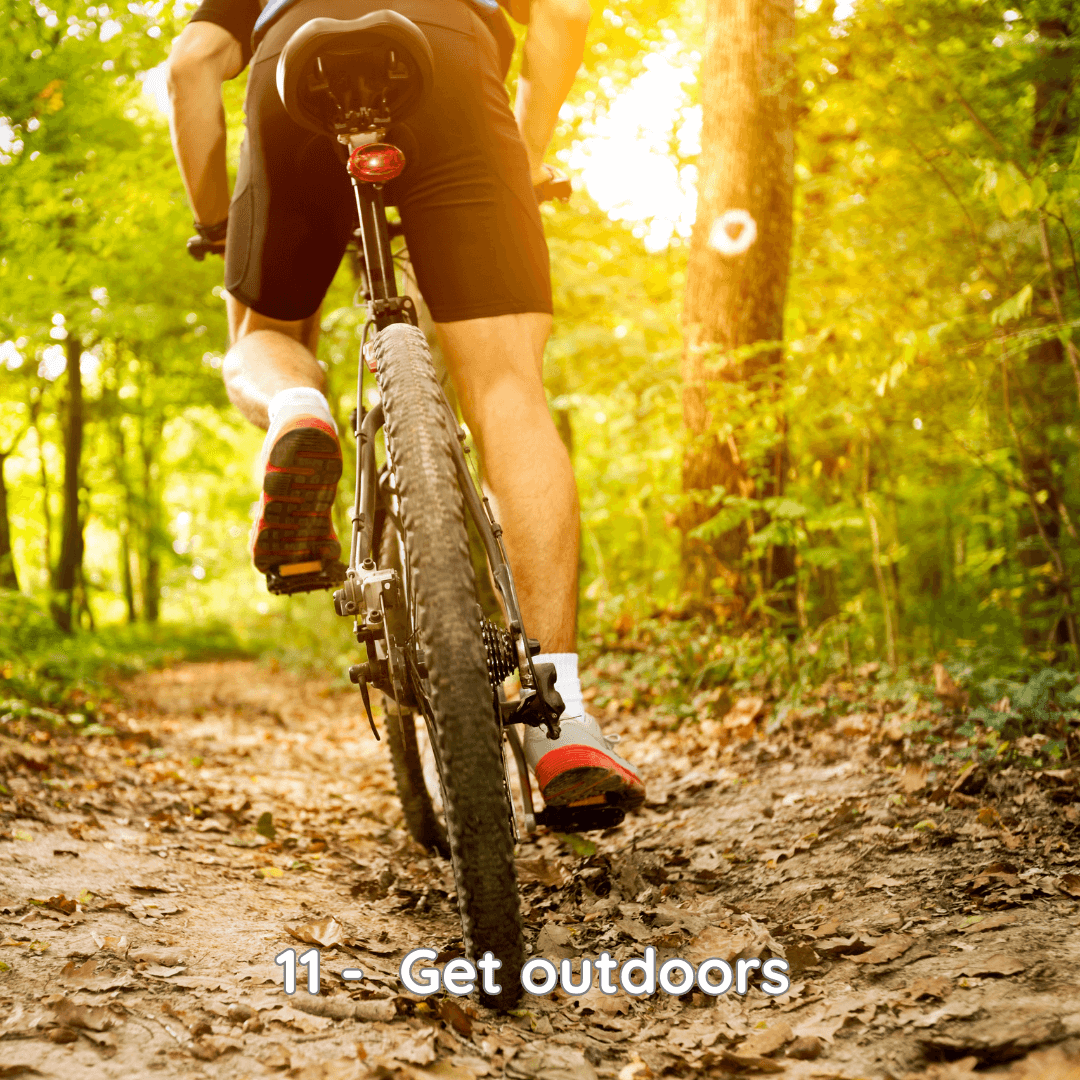
11 - Get outdoors.
Build movement into fun, low‑pressure activities: kick a ball on the beach, play backyard or beach cricket, throw a frisbee, splash in the pool, dance in the living room or join the kids on the playground.
Treat it as play, not a “workout”, and you’ll often move more, laugh more and create memories while still looking after your body.
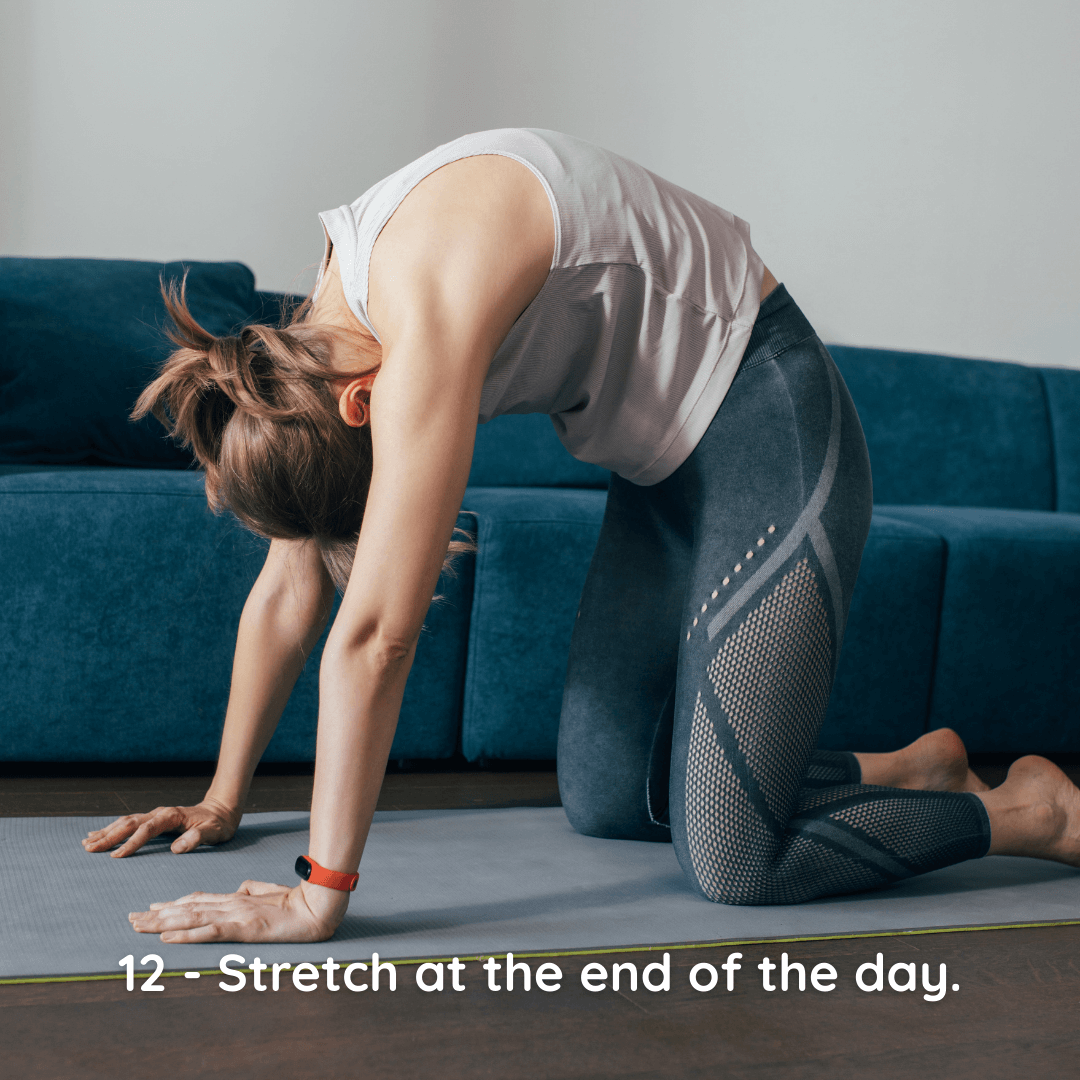
12 - Stretch at the end of the day
Spend 5–10 minutes in the evening doing gentle stretches for areas that work hard on holiday – calves, hamstrings, hips, lower back, chest and shoulders.
Hold each stretch for around 30 seconds, breathe slowly and avoid pushing into pain. This helps release built‑up tension, supports flexibility and joint comfort, and can reduce next‑day stiffness.
An evening stretch routine also signals to your body that it’s time to wind down, which can make it easier to fall asleep and stay asleep more deeply. Think of it as a simple “reset” before bed so you wake up feeling looser, more relaxed and ready to enjoy the next day of your holiday.
There you have it.
Regardless of what type of movement you choose to enjoy, movement is movement and your body will benefit from all of it.
Which one will you try?