

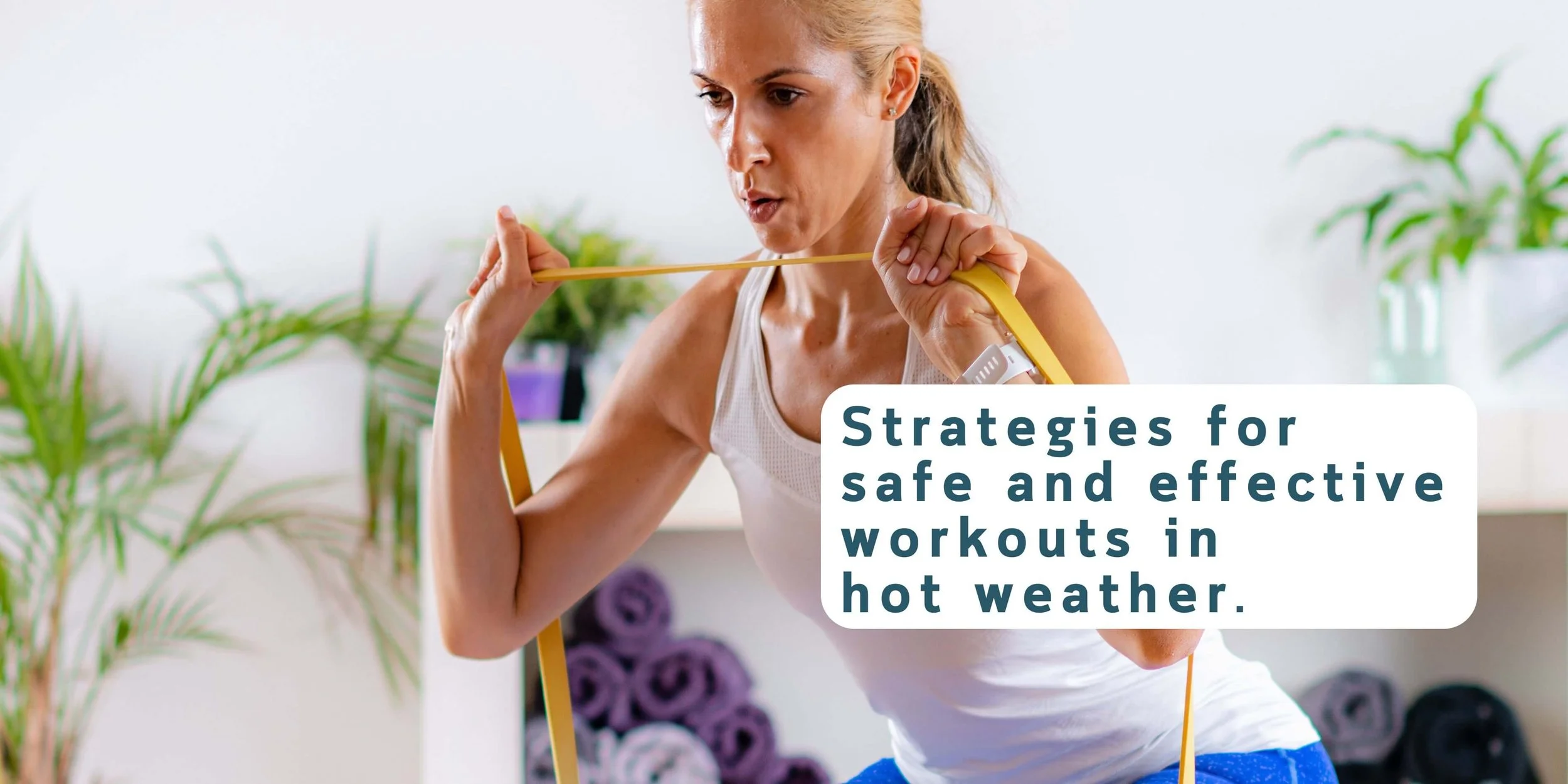
Strategies for safe and effective workouts in hot weather.
We know that being physically active can improve brain health, help manage weight, reduce the risk of disease, strengthen bones and muscles, and improve your ability to do everyday activities.
But it’s not easy when it’s hot outside and the humidity level is high to exercise.
Whether you're a fitness enthusiast or just starting out, it's important to be mindful of exercising in the heat.
Here are key factors that influence your body's ability to handle heat and some practical tips for a safe workout.
Understanding the physiological impact of exercising in hot weather.
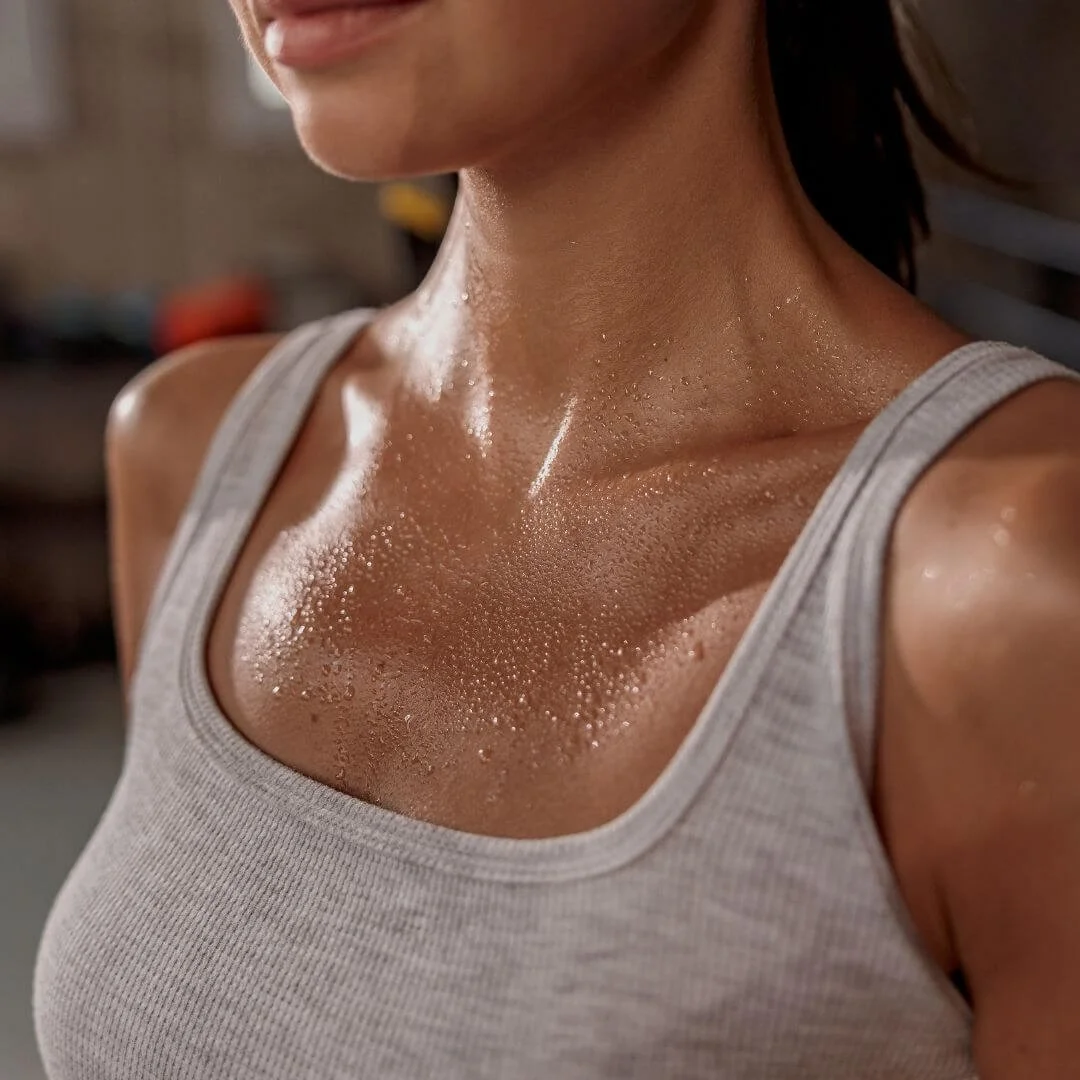
Exercising in hot weather can strain your body and increase the risk of serious illness if proper care is not taken.
The combination of exercise, air temperature, and humidity can raise your core body temperature. To cool down, your body sends more blood to your skin, diverting it from your muscles and elevating your heart rate. High humidity adds stress, impeding sweat evaporation and raising your body temperature.
Your ability to handle heat depends on acclimatization, fitness, and hydration. Sweating is your body's primary cooling mechanism in hot weather. While you can adapt to the heat, your body still exerts more effort.
Excessive sweating can lead to dehydration, slowing your body's cooling efficiency.
In high temperatures or humidity, sweat doesn't evaporate quickly, escalating your body temperature and risking harm to vital organs.
Various factors, such as age, weight, health conditions, and medications, can make it challenging for your body to stay cool. Failure to cool down properly can result in heat-related illnesses like heat exhaustion.
Both exercise and environmental factors increase your core body temperature. This prompts your body to redirect blood for cooling, impacting muscle circulation and raising your heart rate.
Understanding these physiological responses is crucial for safe hot-weather exercise. It helps you make informed decisions, prioritise your well-being, and enjoy a healthier workout experience.
Heat stress - Heat related illness
Types of heat-related illnesses: -
Heat stroke
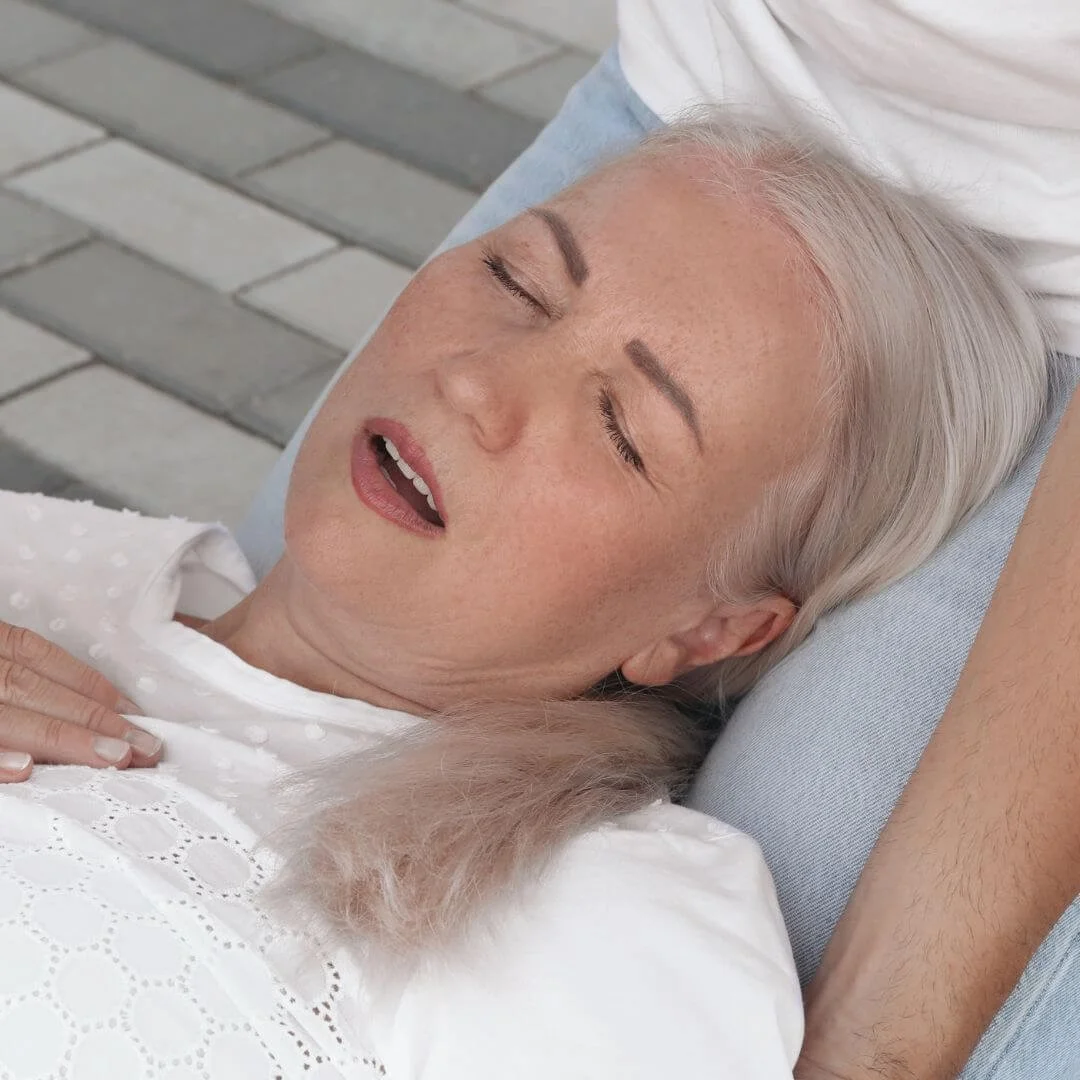
It occurs when the body can no longer control its temperature: the body’s temperature rises rapidly, the sweating mechanism fails, and the body is unable to cool down. When heat stroke occurs, the body temperature can rise to (41°C) 106°F or higher within 10 to 15 minutes.
.
Heat stroke can cause permanent disability or death if the person does not receive emergency treatment. - Centers for Disease Control and Prevention
Symptoms of heat stroke according to the Centers for Disease Control and Prevention:
‘Symptoms of heat stroke include:
Confusion, altered mental status, slurred speech
Loss of consciousness (coma)
Hot, dry skin or profuse sweating
Seizures
Very high body temperature
Fatal if treatment delayed
First aid
Take the following steps to treat a worker with heat stroke:
Call 000 for emergency medical care.
Stay with the person until emergency medical services arrive.
Move the person to a shaded and cool area
Cool the person quickly, using the following methods:
With a cold water or ice bath, if possible
Wet the skin
Place cold wet cloths on the skin
Soak clothing with cool water
Circulate the air around the person to speed cooling.
Place cold wet cloths or ice on the head, neck, armpits; or soak the clothing with cool water.
For additional resource NIOSH First Aid for Heat Illness Fact Sheet click here.
Heat exhaustion:
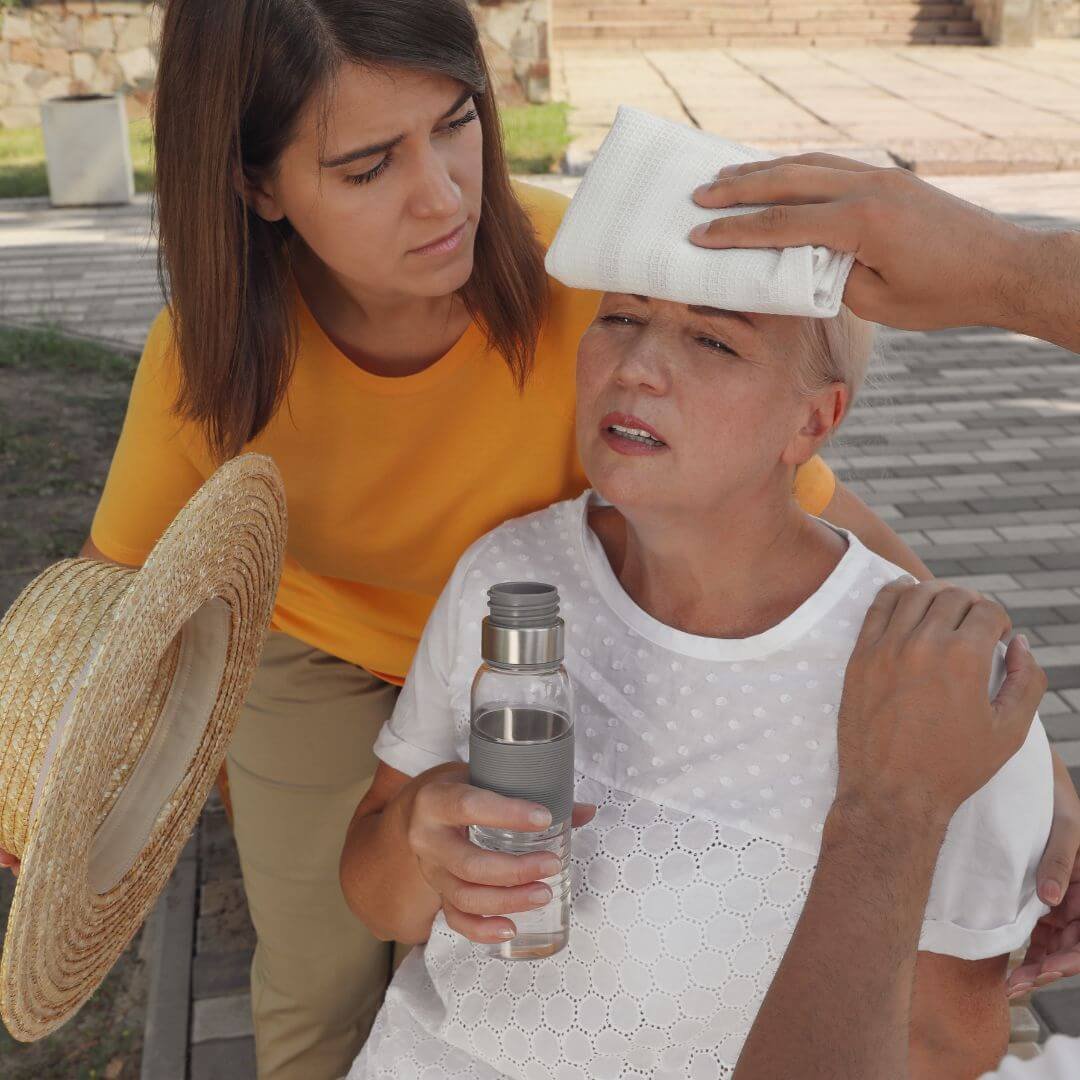
Heat exhaustion is the body’s response to an excessive loss of water and salt, usually through excessive sweating.
Heat exhaustion is most likely to affect:
The elderly
People with high blood pressure
Symptoms
Symptoms of heat exhaustion include:
Headache
Nausea
Dizziness
Weakness
Irritability
Thirst
Heavy sweating
Elevated body temperature
Decreased urine output
First aid
Treat a person who has heat exhaustion by doing the following:
Take the person to a clinic or emergency room for medical evaluation and treatment.
Call 000 if medical care is unavailable.
Have someone stay with the person until help arrives.
Remove the person from the hot area and give liquids to drink.
Remove unnecessary clothing, including shoes and socks.
Cool the person with cold compresses or have the person wet their head, face, and neck with cold water.
Encourage frequent sips of cool water.
Heat cramps:
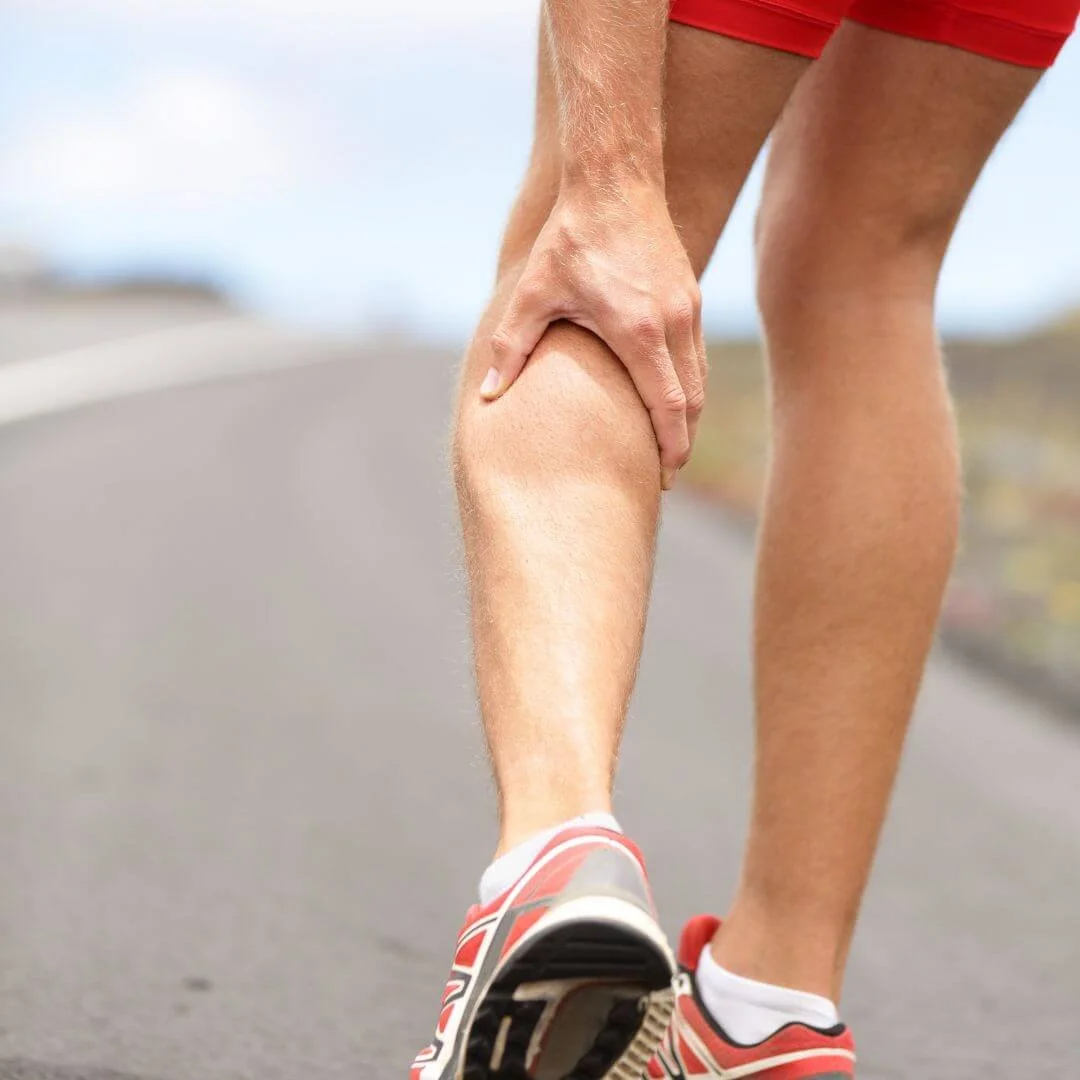
Heat cramps usually people who sweat a lot during strenuous activity.
This sweating depletes the body’s salt and moisture levels. Low salt levels in muscles cause painful cramps.
Heat cramps may also be a symptom of heat exhaustion.
Symptoms
Muscle cramps, pain, or spasms in the abdomen, arms, or legs.
First aid
People with heat cramps should do the following:
Drink water and have a snack or a drink that replaces carbohydrates and electrolytes (such as sports drinks) every 15 to 20 minutes.
Avoid salt tablets.
Get medical help if the person:
Has heart problems.
Is on a low sodium diet.
Has cramps that do not subside within 1 hour”
Note: This information falls under Workplace Safety for workers. Where the word ‘worker’ is stated, I have amended it to ‘person’ to be more applicable to those exercising.
Additional resource: NIOSH First Aid for Heat Illness Fact Sheet, click here.
Medications and heat-related Illness:
Certain medications can increase the risk of heat-related illness. People using psychotropic drugs affecting psychic function, Parkinson's disease medications that inhibit perspiration, tranquilizers and diuretic medications affecting fluid balance may face a higher risk.” - Centers for Disease Control and Prevention
Hydration is key
Staying hydrated is crucial. Drink water before, during, and after exercise. Calculate your fluid needs based on factors like weight and activity level. High humidity slows down sweat evaporation, slowing your body's heat release.
How to calculate how much water you should drink
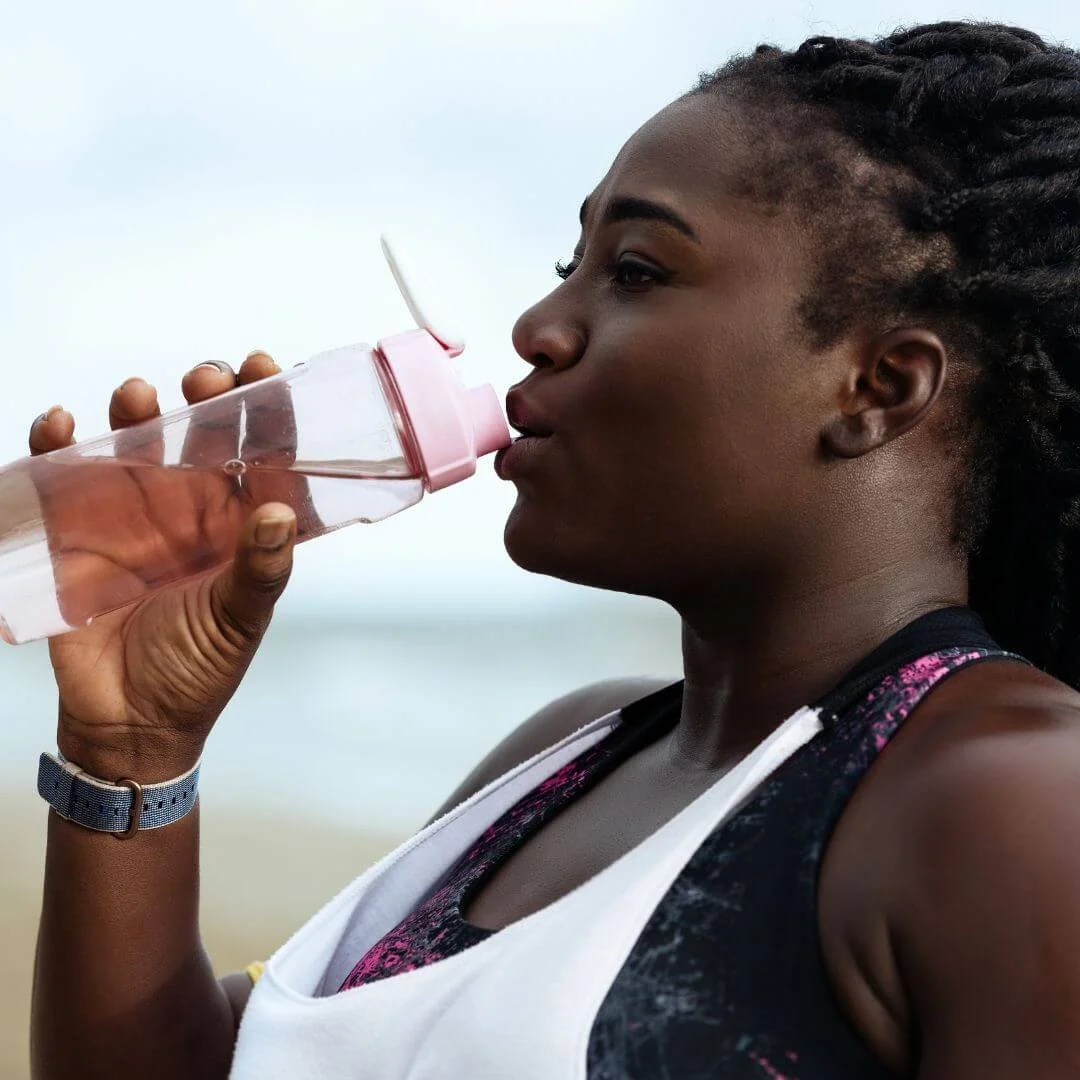
Better Health recommend the following way to work out your sweat rate:
Empty your bladder.
Weigh yourself in minimal clothing, as close to the start of exercise as possible (this is your initial weight).
Record the ambient temperature.
Do your exercise session.
Record the volume of any fluid you consume during your exercise session (fluid).
Estimate (or measure!) urine losses during your exercise session (urine).
Weigh yourself again at the end of your session, in the same clothing as before - be sure to towel off any excess sweat from your body first (this is your final weight).
Your weight change during exercise, plus any fluids consumed, minus any urine losses, reflects your total fluid loss for that session. To work this out:
Subtract your final weight from your initial weight.
Add the weight of fluid (in kg) that you consumed while exercising.
Subtract the weight of fluid (in kg) you lost through urination.
To make this into an hourly rate, divide it by the number of hours you spent exercising.
Sweat rate (L/hr) = [initial weight (kg) – final weight (kg) + fluid (kg*) – urine (kg)] / time (hrs) (*One litre of water or urine is equivalent to one kilogram.)
Remember, this is your sweat rate when exercising at a particular ambient temperature. Your sweat rate will change with the temperature, so it can be useful to measure your sweat rate at different times of the year.
Special considerations
There are several special considerations to maintaining a healthy hydration level. It is also important that you get a lot of your hydration from water and not only from sodas or caffeinated drinks like tea and coffee.
Rules of thumb
Drink BEFORE you start feeling thirsty, or BEFORE you do an activity. Thirst is actually a sign of dehydration
Also, monitor your urine. If you are adequately hydrated, you should be urinating about once every two to four hours, and your urine should be colorless or a very pale yellow (the color of hay or lighter). If it is darker than that, you haven’t had enough fluid.
Headaches and dizziness are a late sign of dehydration. If you start experiencing those, you really need to up the water intake, and quickly.
Dehydration can turn a fun summer activity into an unpleasant experience at best, or a trip to the emergency room at worst.
Don’t wait until it’s too late. Bring water bottles with you, and stay hydrated during exercise.’ - University of Missouri System
Timing is everything
Exercise during the cooler parts of the day, avoiding peak heat hours between 10am and 4pm.
Adjust your schedule to beat the heat and reduce the risk of heat-related issues.
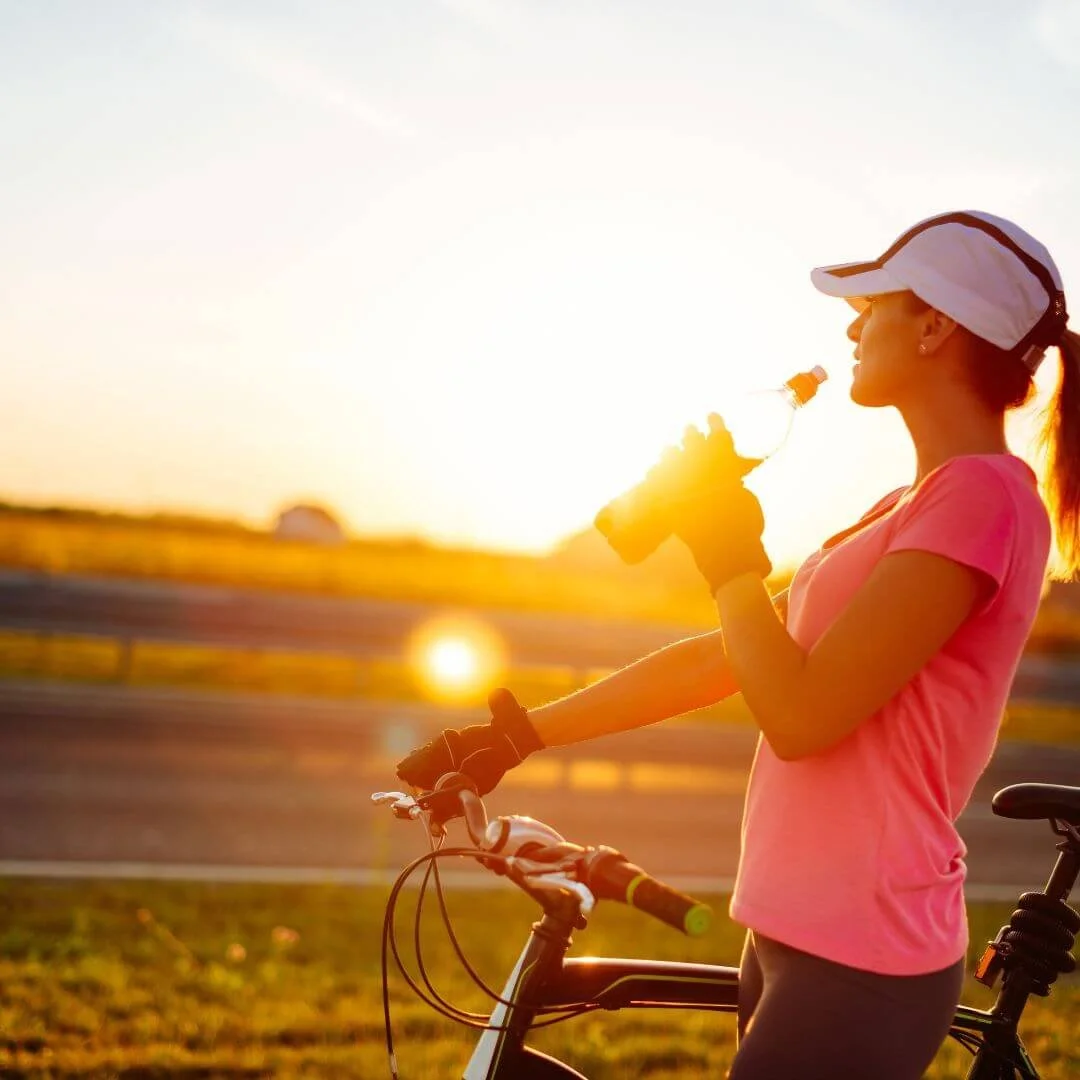
Hydration in hot weather: What to drink when exercising.
Water is the ideal drink to quench your thirst and replace fluids lost during exercise. It's recommended to drink water before you start exercising as well.
Increase fluid intake during hot weather, regardless of activity level.
Don't wait until you're thirsty to drink. During intense exercise in the heat, drink enough non-alcoholic fluids each hour to maintain normal urine output.
About sports drinks:
Some athletes opt for sports drinks that contain electrolytes and carbohydrates, designed to refuel the body during exercise. These drinks can be useful for activities of moderate to vigorous intensity lasting more than 60 minutes (as per the Australian Dietary Guidelines). However, be mindful of the sugar content in sports drinks and consume them only if necessary.
Remember that fruits and vegetables also contribute significantly to your hydration, so a fruit snack, such as oranges can aid in fluid replacement.
What not to drink when exercising:
Certain fluids are not recommended during exercise:
Avoid cordial, soft drink, or juice: These beverages are typically high in carbohydrates and low in sodium.
Avoid Caffeine as it can act as a diuretic, causing increased urine production and fluid loss.
How much to drink after exercising:
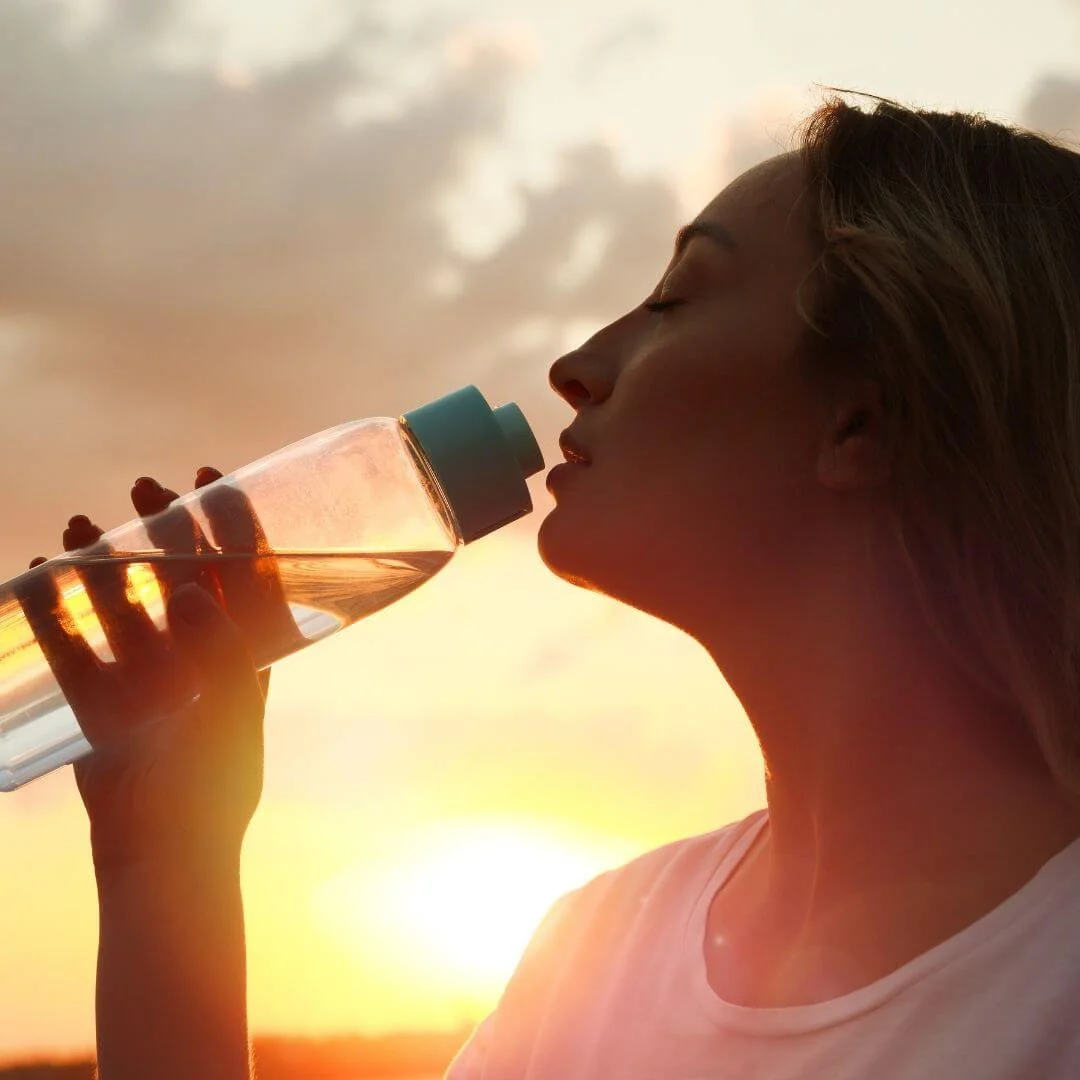
To effectively rehydrate after your exercise session, aim to drink one and a half times the fluid you lost during exercise.
However, don't consume this amount all at once. Spread it over the next two to six hours.
This extra fluid is necessary because you continue to lose fluids through sweating and urination even after you finish your exercise session.
Proper hydration is crucial for overall wellbeing and optimal performance.
To stay healthy in extreme heat, follow these tips:
Stay cool and use common sense.
Drink plenty of fluids and replace salts and minerals.
Wear appropriate clothing and sunscreen.
Pace yourself and stay cool indoors.
Schedule outdoor activities carefully.
Use a buddy system.
Monitor those at risk and adjust to the environment.
Best clothing for hot weather
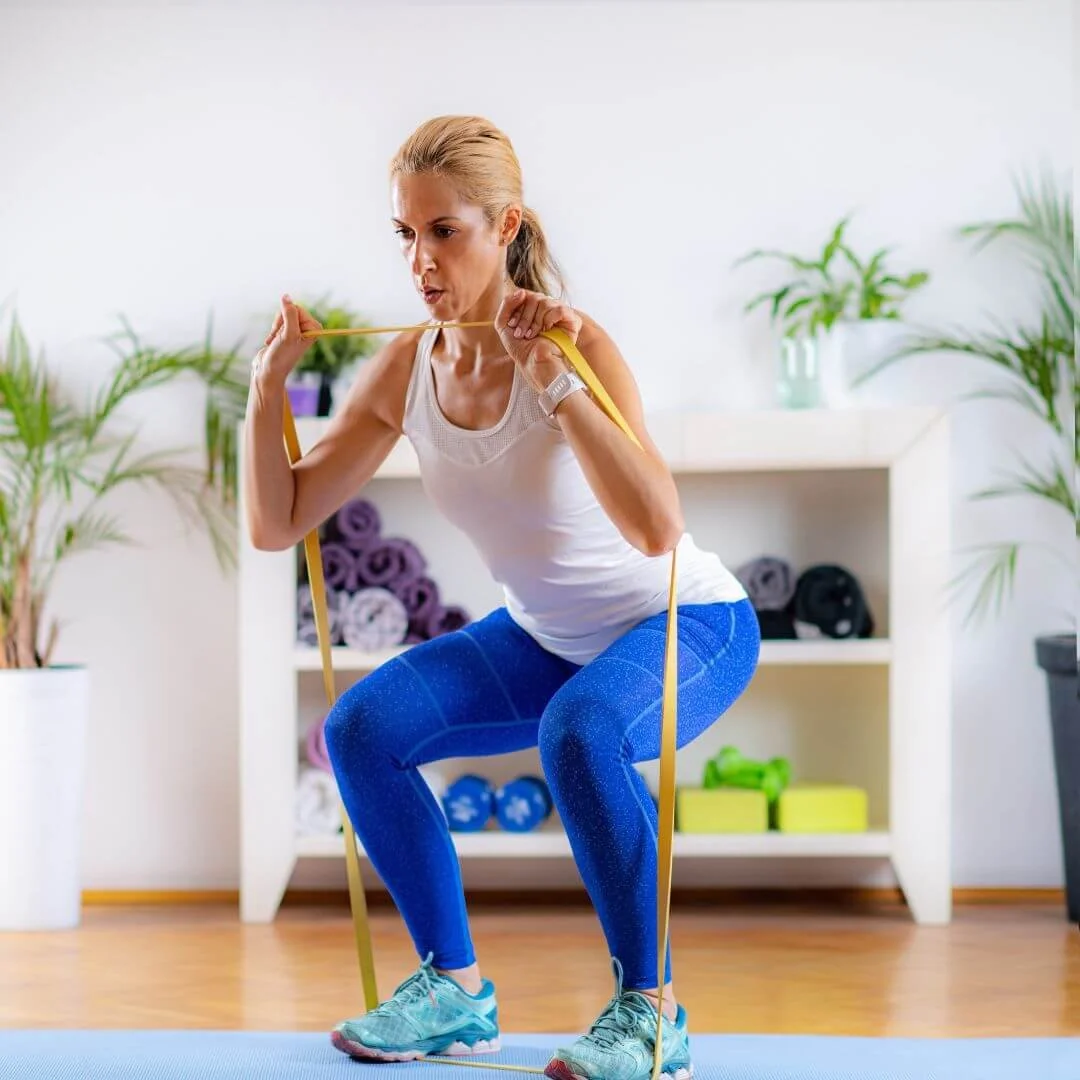
Wear lightweight, breathable clothing, light coloured and moisture-wicking fabrics that are loose fitting.
If exercising outdoors, protect yourself with a wide-brimmed hat or visor and wear sunglasses.
Apply water resistant sunscreen 30 minutes before going out to prevent sunburn, which impairs your body's ability to cool down.
Listen to your body
You may find that you’re unable to exercise for as long and hard as you normally would or have to slow down, and that’s ok.
Take regular breaks in the shade, drink water before you’re thirsty.
Watch out for heat exhaustion, or heat stroke signs. If you experience any of these warning signs of heat stroke, call 000 immediately, or alert someone to make the call on your behalf.
Choosing appropriate exercises
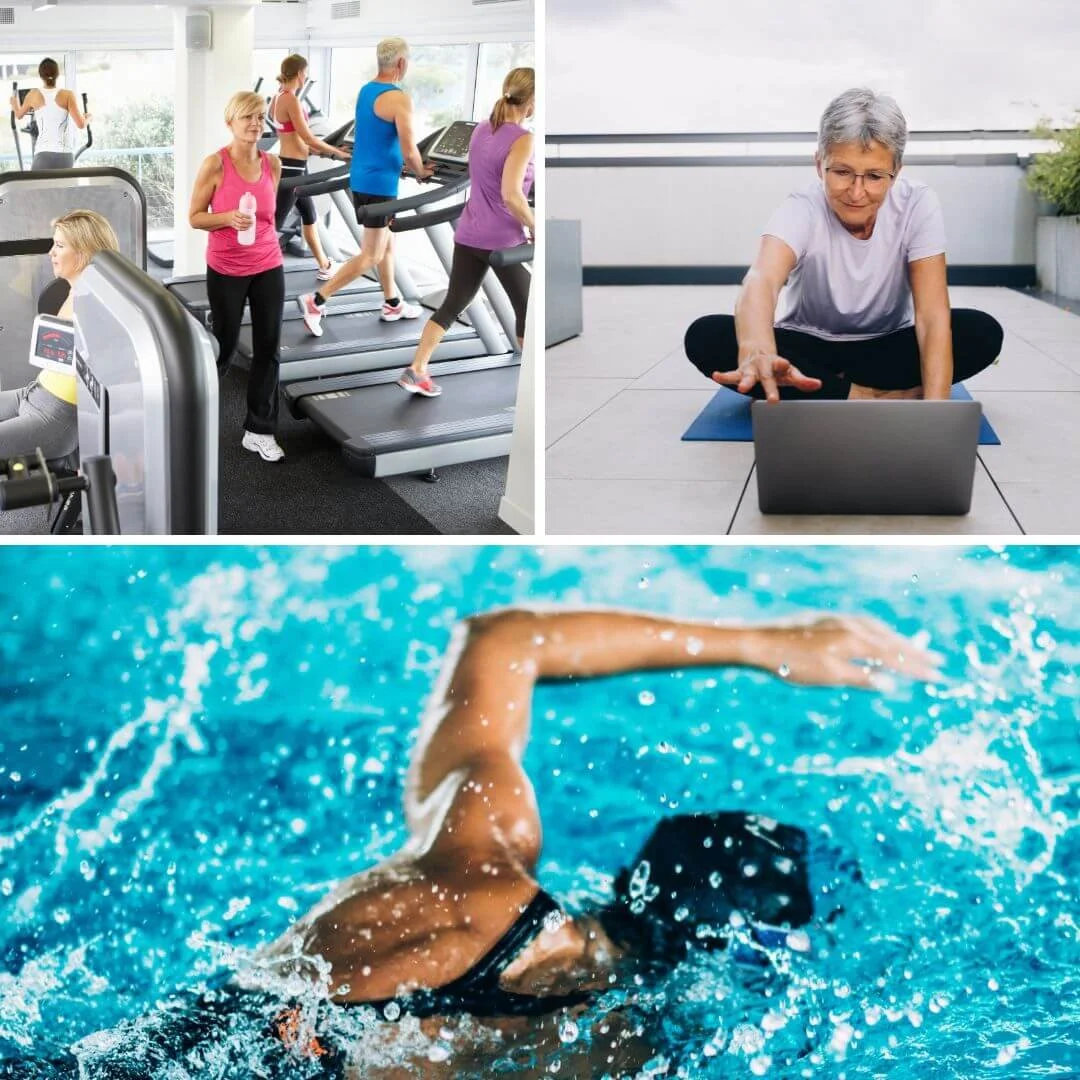
Opt for low-intensity activities during extreme heat like walking instead of running.
Consider indoor workouts with air conditioning or swimming on really hot days.
If exercising at home, move to a cooler part of your house where there is a breeze.
If not, try exercising early in the morning or later in the day.
Cooling strategies
Use cooling methods like wet towels or cold showers before your workout and exercise with wet hair to stay cool during your workout.
In conclusion, exercising in the heat is about understanding your body's limits and taking necessary precautions. Stay hydrated, choose the right time, dress appropriately, and pay attention to your body's signals. By following these tips, you can enjoy a safer and more enjoyable workout experience in hot weather.
Source:
https://www.cdc.gov/physicalactivity/basics/adults/pdfs/Health_Benefits_PA_Adults_65_Over_June2023_H.pdf
https://www.cdc.gov/disasters/extremeheat/faq.html
https://www.heart.org/en/healthy-living/fitness/getting-active/how-to-stay-active-in-warm-weather
https://www.ncbi.nlm.nih.gov/books/NBK236240/
https://newsnetwork.mayoclinic.org/discussion/heat-and-exercise-keeping-cool-in-hot-weather/#:~:text=Stay%20safe%20while%20exercising%20in,care%20when%20the%20temperature%20rises.