

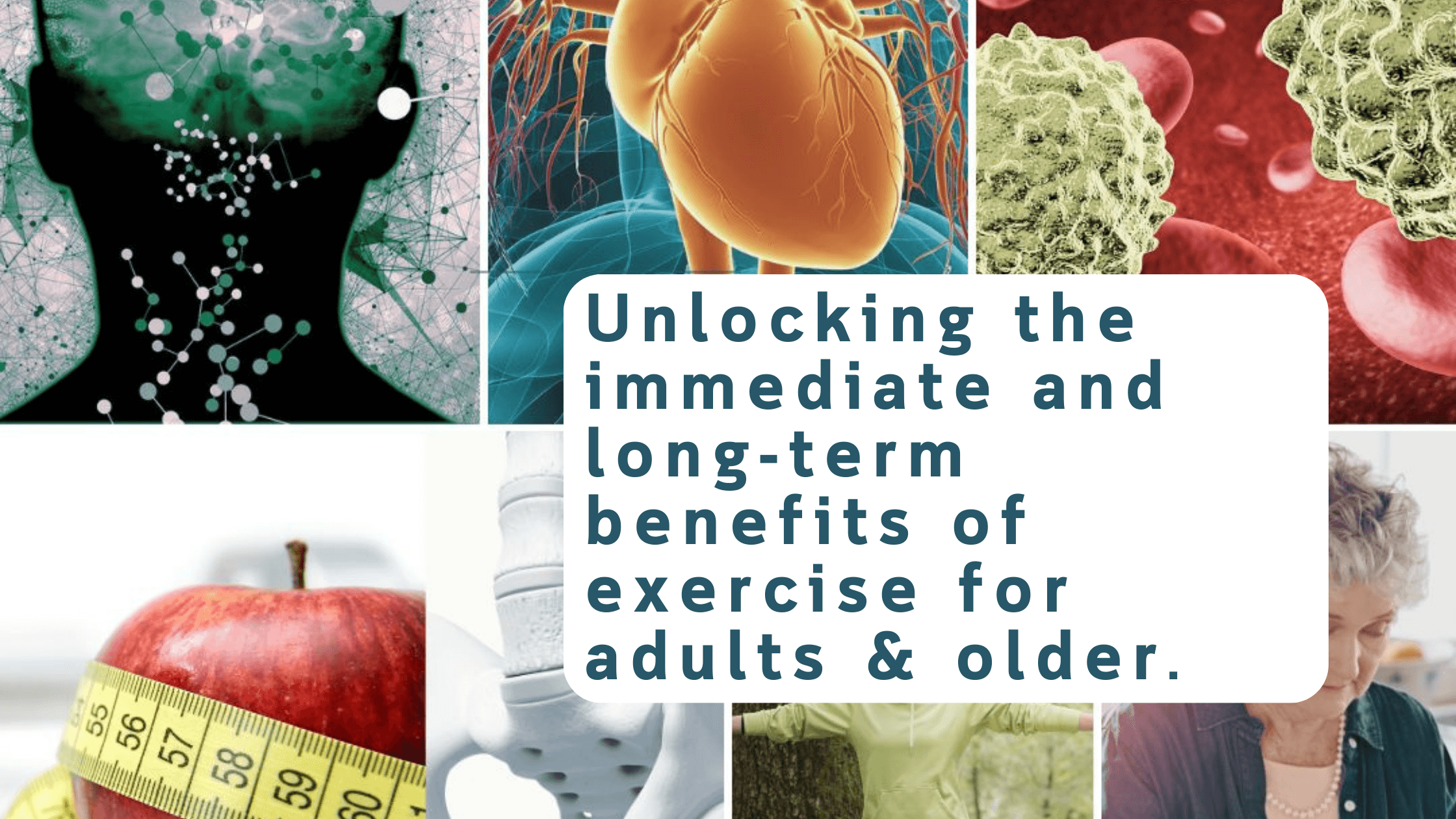
Unlocking the immediate and long-term benefits of exercise for adults & older.
There are 4 immediate benefits of physical activity for adults, including adults 65 and older.
'A single bout of moderate-to vigorous physical activity provides immediate benefits for your health.' - Centers for Disease Control and Prevention (1)
01 - Sleep
01 - Sleep
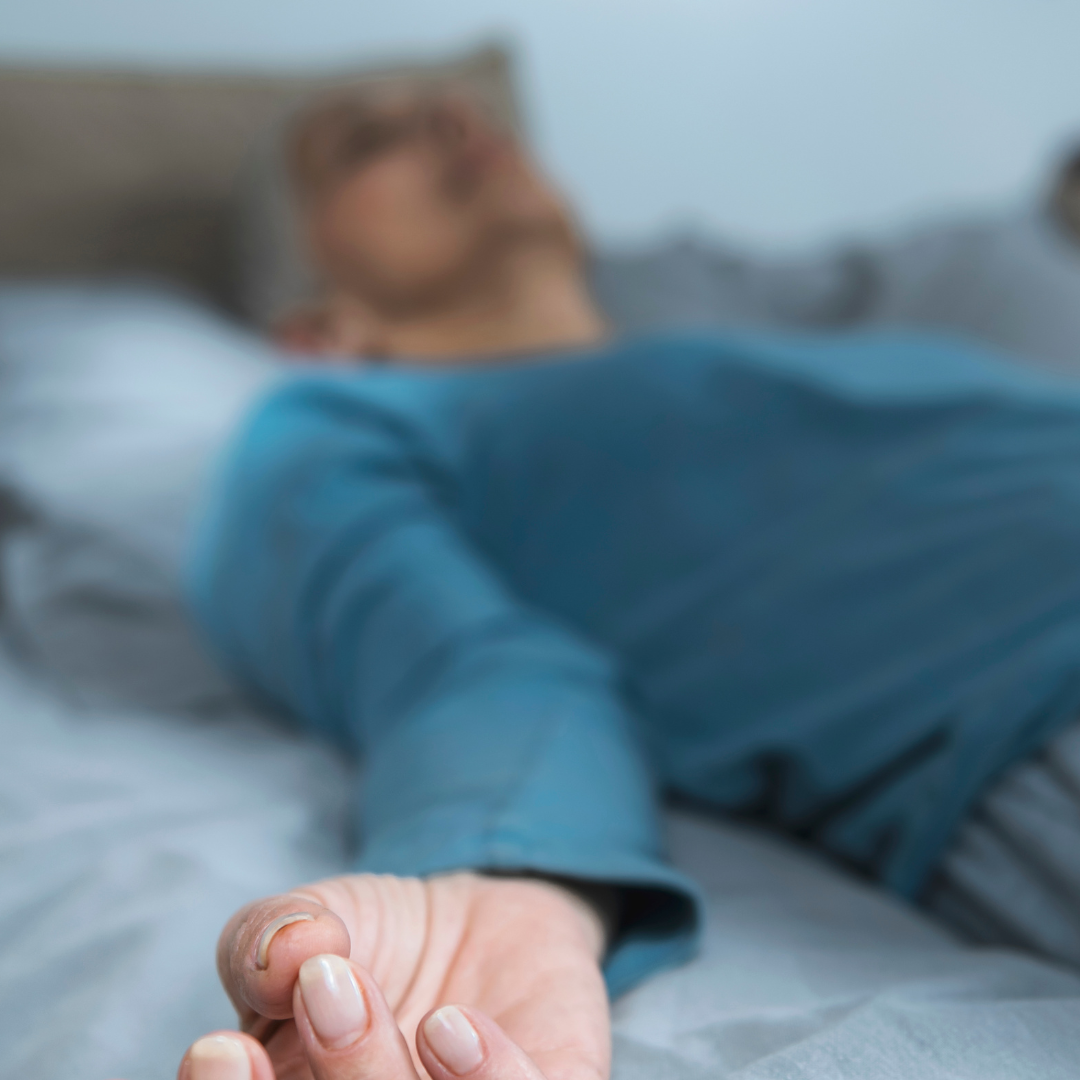
Exercise increases the amount of deep sleep, where the brain and body have a chance to rejuvenate.
"Exercise can also help to stabilize your mood and decompress the mind, “a cognitive process that is important for naturally transitioning to sleep,” says Charlene Gamaldo, M.D. , medical director of Johns Hopkins Center for Sleep at Howard County General Hospital (2).
02 - Reduces feelings of anxiety.

02 - Reduces feelings of anxiety.
Scientists have found that regular participation in aerobic exercise has been shown to decrease overall levels of tension, elevate and stabilize mood, improve sleep, and improve self-esteem.
About five minutes of aerobic exercise can begin to stimulate anti-anxiety effects. - Anxiety Disorders Association of America (3)
03 - Reduces blood pressure.
03 - Reduces blood pressure.
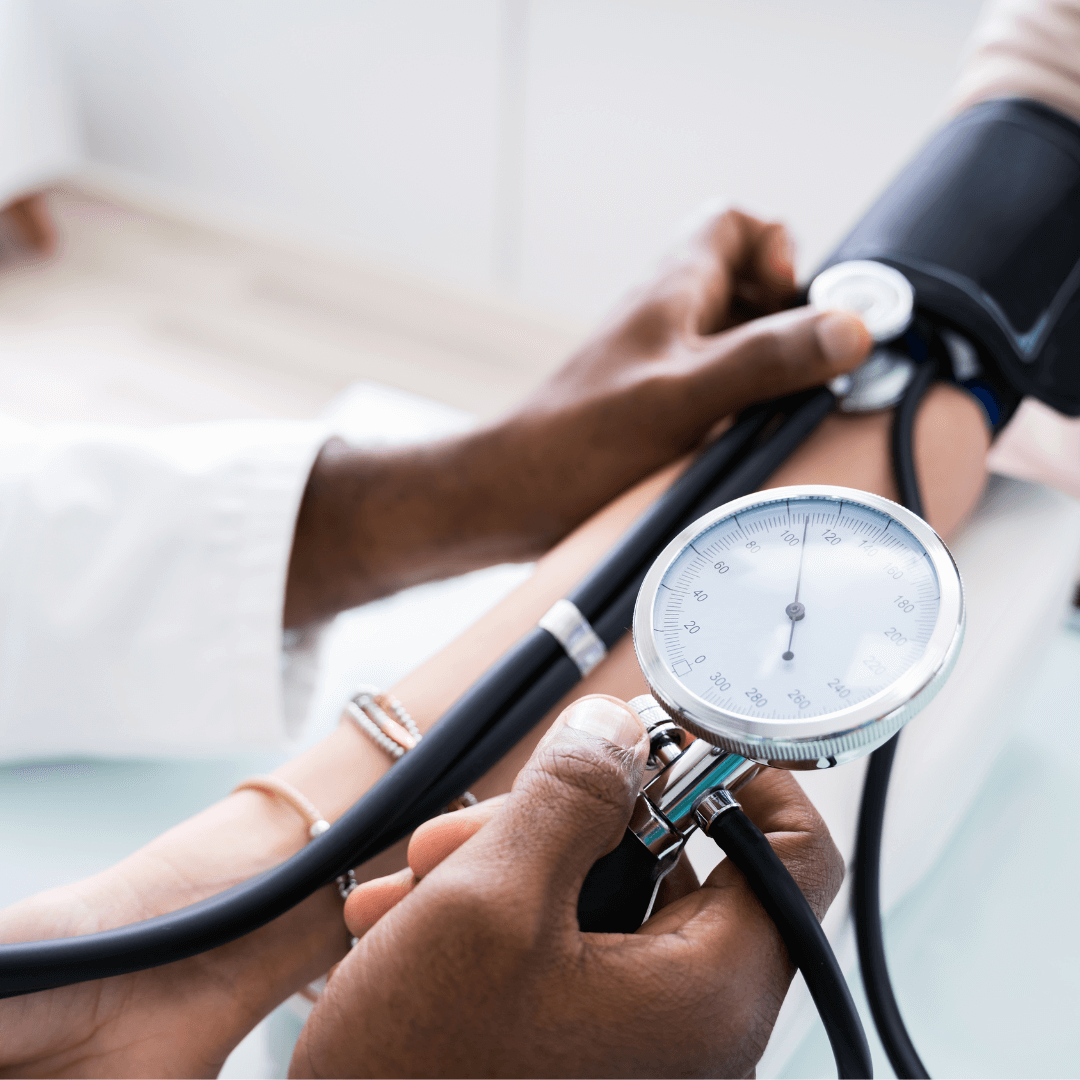
Regular exercise makes the heart stronger.
A stronger heart can pump more blood with less effort.
As a result, the force on the arteries decreases. This lowers blood pressure.' - Mayo Clinic (4).
04 - Immune function.

04 - Immune function.
Emerging research suggests physical activity may also help boost immune function. (5,6).
If all these benefits are from a single bout of moderate-to vigorous physical activity, imagine what the continued benefits could be?
But it doesn’t end there, like a gift that keeps giving.
There are 7 long-term health benefits of physical activity for adults including adults 65 and older.
Long-term benefits for adults
Regular physical activity provides important health benefits for chronic disease prevention.
01 - Brain health
01 - Brain health
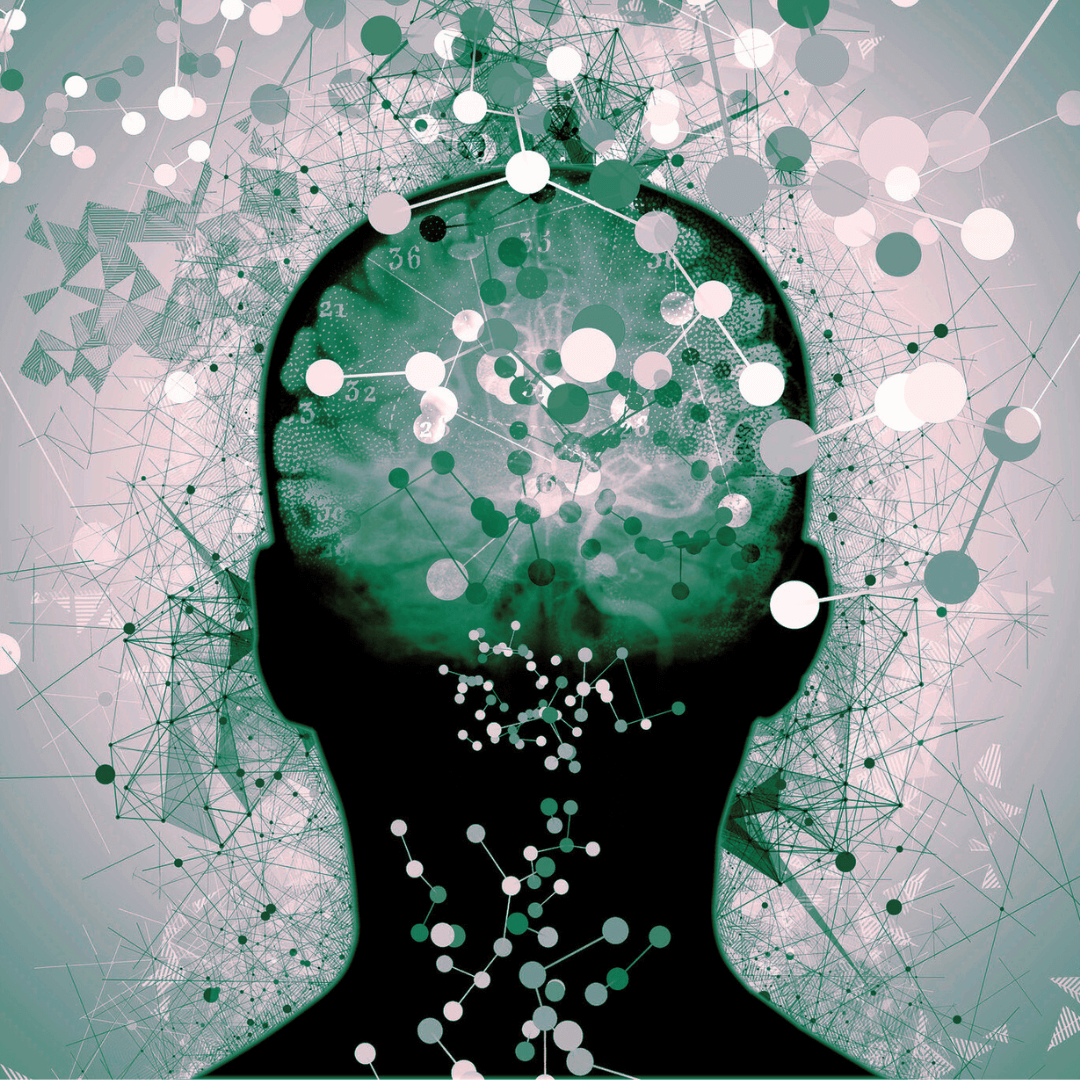
Reduces risks of developing dementia (including Alzheimer’s disease) and reduces risk of depression.
Besides protecting the brain, exercise can also help slow down the decline in thinking and memory skills by reducing the risks related to blood vessel problems in the brain, which can contribute to conditions like dementia. (7)
02 - Heart health
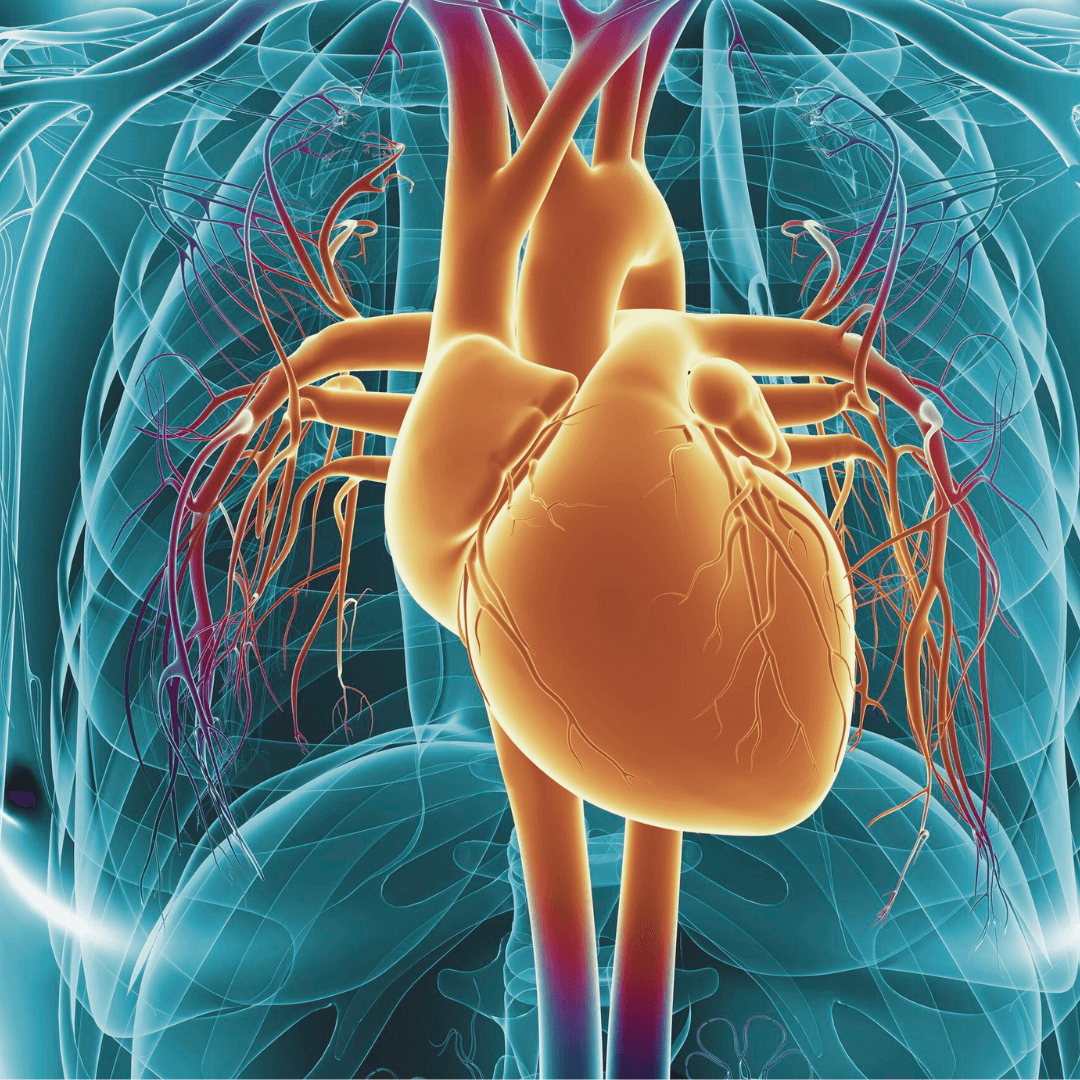
02 - Heart health
Lowers the risk of heart disease, stroke, and type 2 diabetes.
Regular physical activity can help the body by:
01 - Improving the body's response to insulin.
02 - Improve cholesterol levels in the blood.
03- Bring down high blood pressure.
04 - Reduce the thickness of the blood.
05 - Enhance the production of a beneficial chemical in blood vessels.
06 - Make the body more responsive to a hormone called leptin.
All of which work together to protect the heart and blood vessels. (8)
03 - Cancer prevention
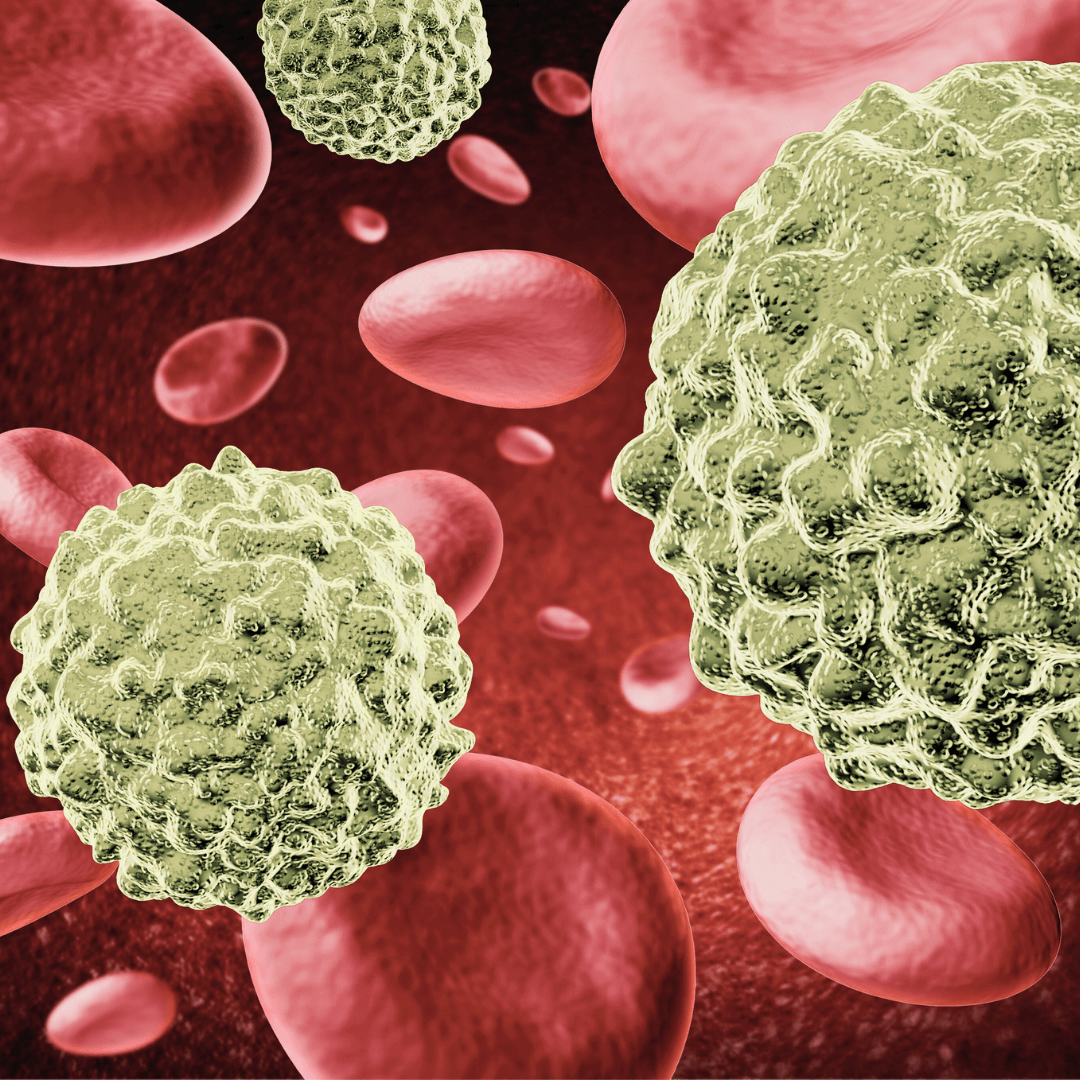
03 - Cancer prevention
Lowers risk of eight cancers: bladder, breast, colon, endometrium, esophagus, kidney, lung, and stomach.
‘How might physical activity be linked to reduced risks of cancer?
According to The National Cancer Institute, there is strong evidence that higher levels of physical activity are linked to lower risk of several types of cancer (9).
Lowering the levels of sex hormones, such as estrogen, and growth factors that have been associated with cancer development and progression (10) [breast, colon]
Preventing high blood levels of insulin, which has been linked to cancer development and progression (10) [breast, colon]
Reducing inflammation
Improving immune system function.
Altering the metabolism of bile acids, decreasing exposure of the gastrointestinal tract to these suspected carcinogens (11,12) [colon]
Reducing the time it takes for food to travel through the digestive system, which decreases gastrointestinal tract exposure to possible carcinogens [colon]
Helping to prevent obesity, which is a risk factor for many cancers’
04 - Healthy weight
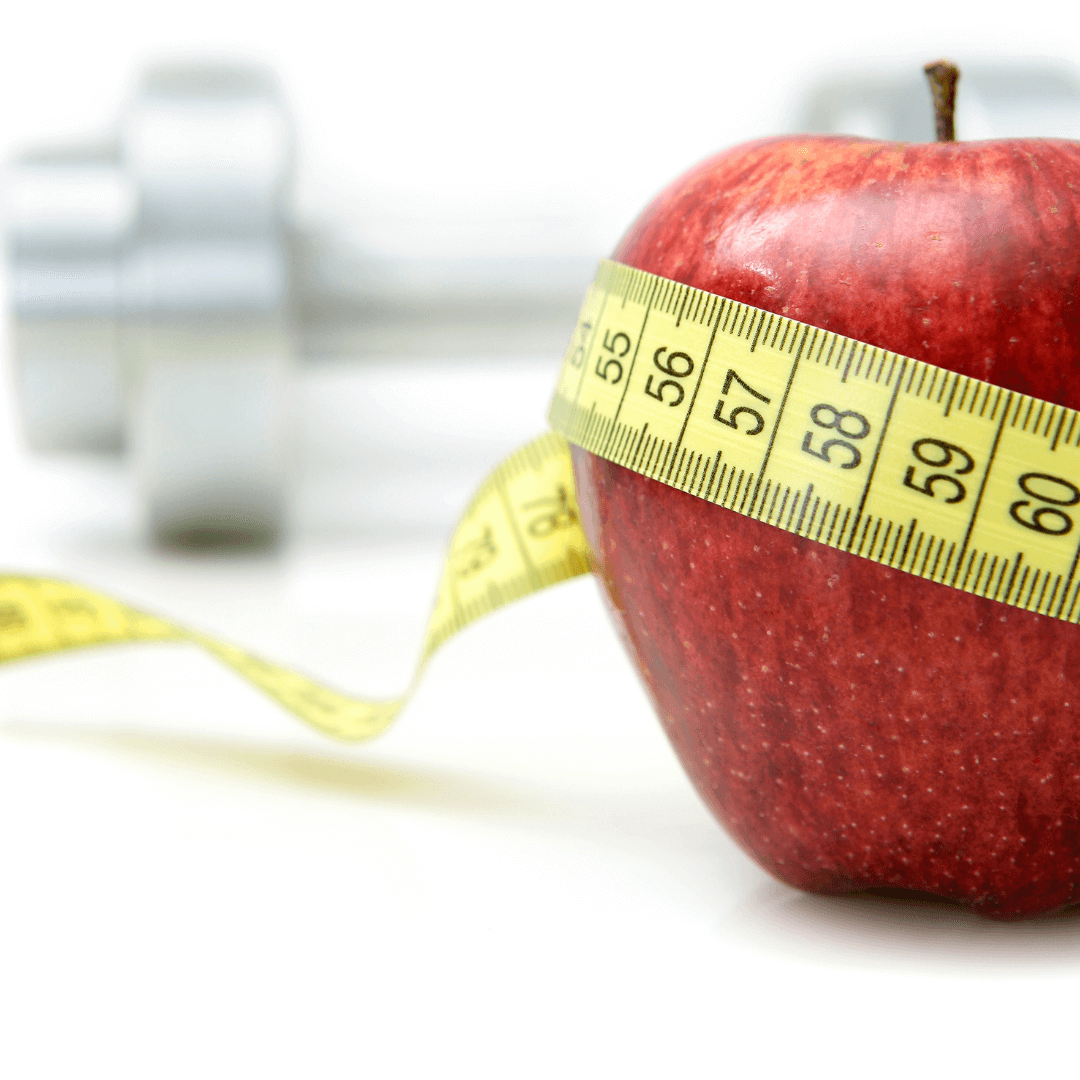
04 - Healthy weight
Reduces risk of weight gain.
The Harvard School of Public Health states “Researchers believe that physical activity prevents obesity in multiple ways: (13)
Physical activity increases people’s total energy expenditure, which can help them stay in energy balance or even lose weight, as long as they don’t eat more to compensate for the extra calories they burn.
Physical activity decreases fat around the waist and total body fat, slowing the development of abdominal obesity.
Weight lifting, push-ups, and other muscle-strengthening activities build muscle mass, increasing the energy that the body burns throughout the day-even when it’s at rest-and making it easier to control weight.”
05 - Bone strength
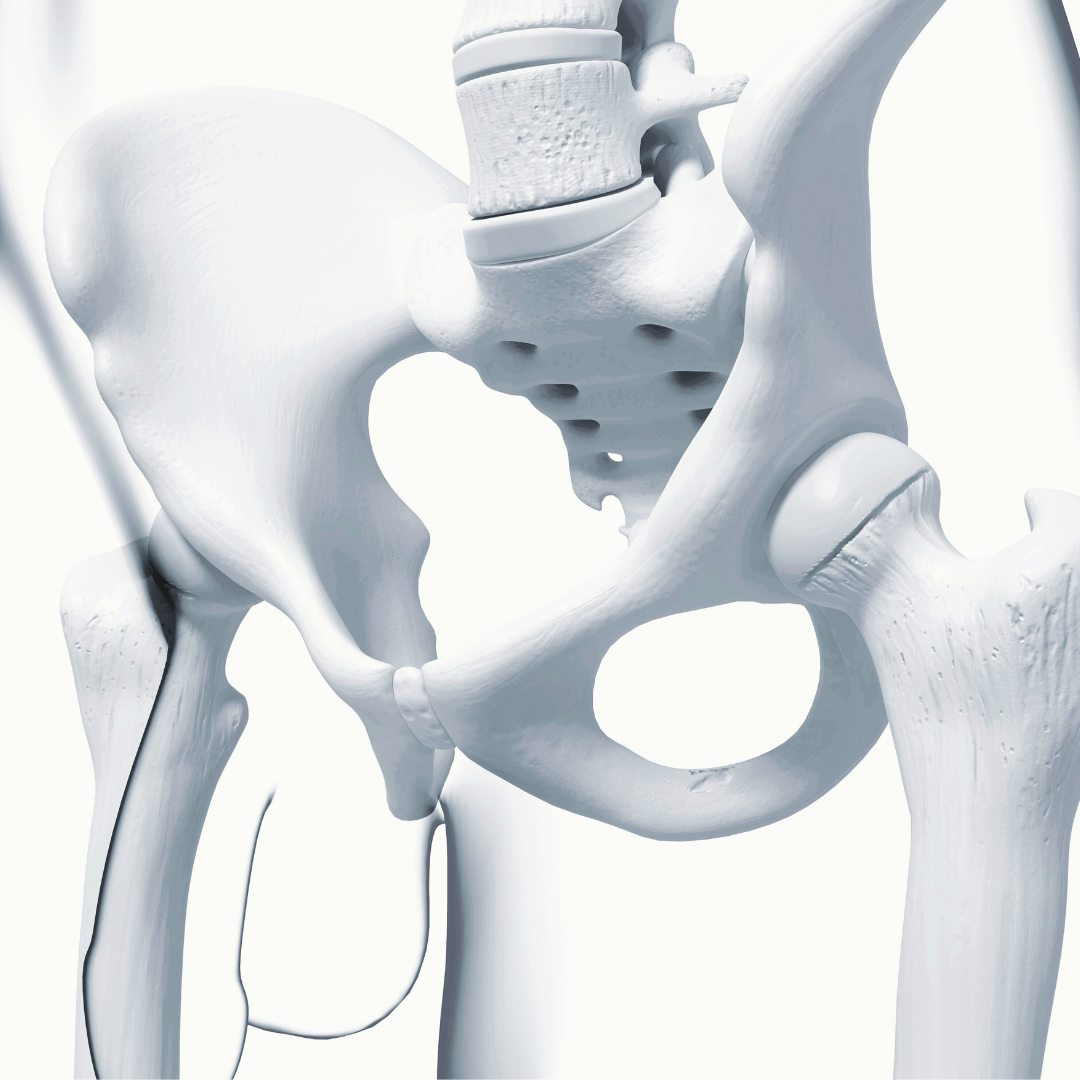
05 - Bone strength
Improves bone health.
“Exercise is important for building strong bones when we are younger, and it is essential for maintaining bone strength when we are older.
Because bone is living tissue, it changes over time in response to the forces placed upon it.
When you exercise regularly, your bone adapts by building more bone and becoming denser.” - OrthoInfo
06 - Balance and coordination

06 - Balance and coordination
Reduces risks of falls.
Tufts University School of Medicine has a great article called ‘Exercise Can Help Decrease Fall Risk for Elderly People.’
‘An associate professor shares advice and exercises that physical therapists use to improve balance in older patients.
Balance training can help improve coordination and proprioception, which is the body's ability to sense where it is in space.
By practicing movements that challenge the body's balance, such as standing on one leg or walking heel-to-toe, the nervous system becomes better at coordinating movement and maintaining balance.
Flexibility training involves stretching the muscles and joints, which can improve range of motion and reduce stiffness. By improving range of motion, older adults can improve their ability to move safely and avoid falls caused by limitations in mobility.’
07 - Immune function
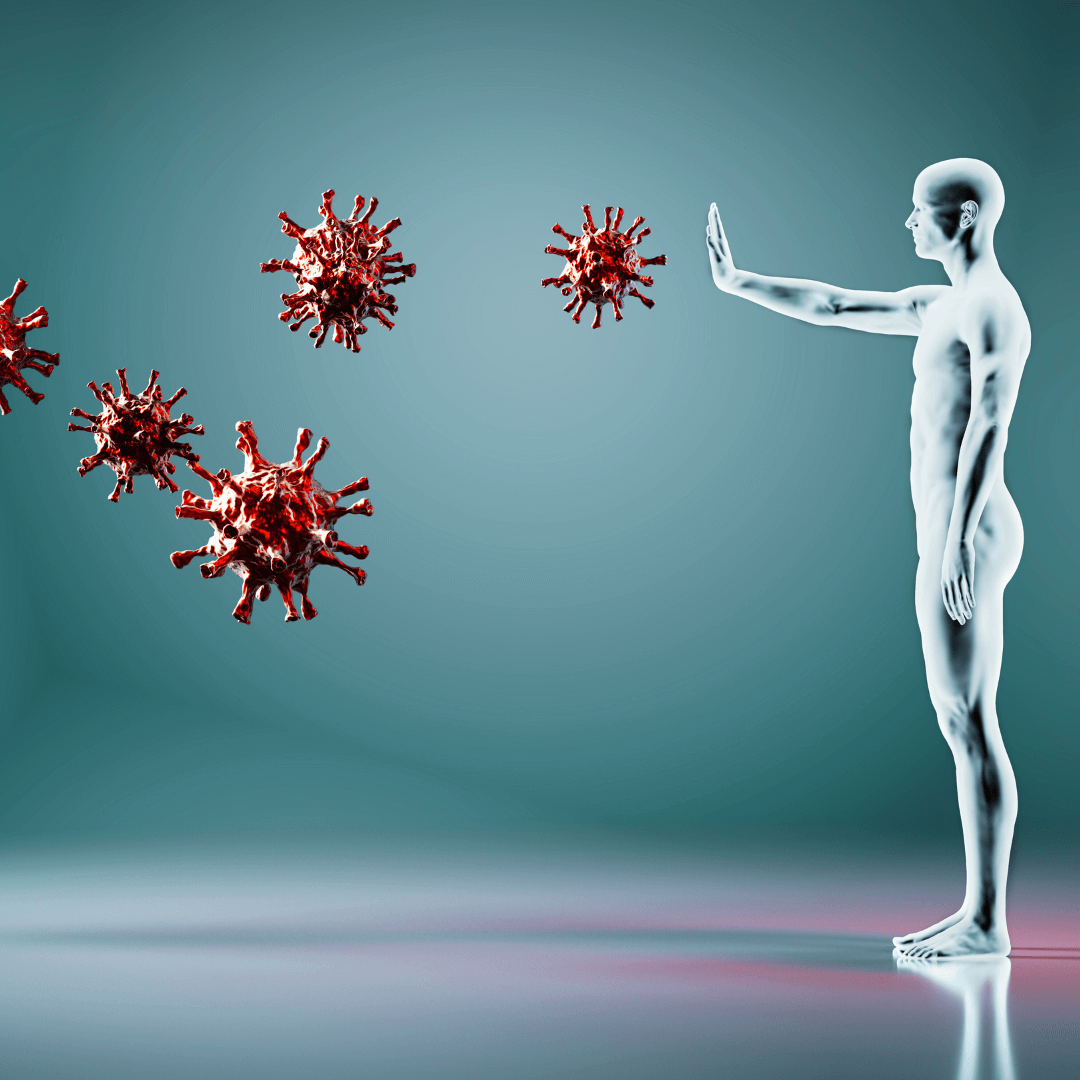
Emerging research suggests physical activity may also help boost immune function. (5,6)
As mentioned, for adults over 65, Independent living: -

Helps people live independently longer.
This is probably my sole motivation and the core of my passion for women and exercise is to empower women today,the biggest reason why I do what I do: - Exercising women today, so that they can enjoy life in their 80s or 90s with a healthy heart, strong muscles, dense bones and functional independence.
‘Exercise also improves walking, balance and visual processing, which can provide a more independent life for people with dementia and mild cognitive impairment.
Cognitively impaired people should therefore be encouraged to exercise regularly in order to be more independent.’
A review I found in the National Library of Medicine, Pubmed, called ‘Exercise and aging: extending independence in older adults’ states that:
‘Exercise plays an important role in enhancing the quality of life of the older patient, although studies have shown that regular physical activity does not significantly lengthen life expectancy
Improved physiologic and psychological function helps to maintain personal independence and reduces demands for acute and chronic care services.’
Source:
(1) https://www.cdc.gov/physicalactivity/basics/adults/pdfs/health_benefits_pa_adults_65_over_june2023_h.pdf
(2) https://www.hopkinsmedicine.org/health/wellness-and-prevention/exercising-for-better-sleep#:~:text=Exercise%20also%20raises%20your%20core%20body%20temperature.&text=Elevation%20in%20core%20body%20temperature,decline%20helps%20to%20facilitate%20sleepiness.
(3) https://adaa.org/living-with-anxiety/managing-anxiety/exercise-stress-and-anxiety
Exercise for Mood and Anxiety, Proven Strategies for Overcoming Depression and Enhancing Well-Being, by Michael W. Otto, PhD, and Jasper A.J. Smits, PhD (Oxford University Press, 2011)
(4) https://www.mayoclinic.org/diseases-conditions/high-blood-pressure/in-depth/high-blood-pressure/art-20045206
(5) https://pubmed.ncbi.nlm.nih.gov/31193280/
(6) https://www.ncbi.nlm.nih.gov/pmc/articles/PMC7149380/
(7) https://www.ncbi.nlm.nih.gov/pmc/articles/PMC3258000/#:~:text=Besides%20a%20brain%20neuroprotective%20effect,small%20vessel%20disease%20to%20dementia.
(8) https://www.ncbi.nlm.nih.gov/pmc/articles/PMC6481017/
(9) McTiernan A, Friedenreich CM, Katzmarzyk PT, et al. Physical activity in cancer prevention and survival: A systematic review. Medicine and Science in Sports and Exercise 2019; 51(6):1252-1261. [PubMed Abstract]
Patel AV, Friedenreich CM, Moore SC, et al. American College of Sports Medicine Roundtable Report on physical activity, sedentary behavior, and cancer prevention and control. Medicine and Science in Sports and Exercise 2019; 51(11):2391-2402. [PubMed Abstract]
(10) Winzer BM, Whiteman DC, Reeves MM, Paratz JD. Physical activity and cancer prevention: a systematic review of clinical trials. Cancer Causes and Control 2011; 22(6):811-826. [PubMed Abstract]
(11) Wertheim BC, Martinez ME, Ashbeck EL, et al. Physical activity as a determinant of fecal bile acid levels. Cancer Epidemiology, Biomarkers & Prevention 2009; 18(5):1591-1598. [PubMed Abstract]
(12) Bernstein H, Bernstein C, Payne CM, Dvorakova K, Garewal H. Bile acids as carcinogens in human gastrointestinal cancers. Mutation Research 2005; 589(1):47-65. [PubMed Abstract]
(13)24. Hu FB. Physical Activity, Sedentary Behaviors, and Obesity. In: Hu FB, ed. Obesity Epidemiology. New York: Oxford University Press; 2008:301-19.