
Health benefits of Pilates for ageing adults.
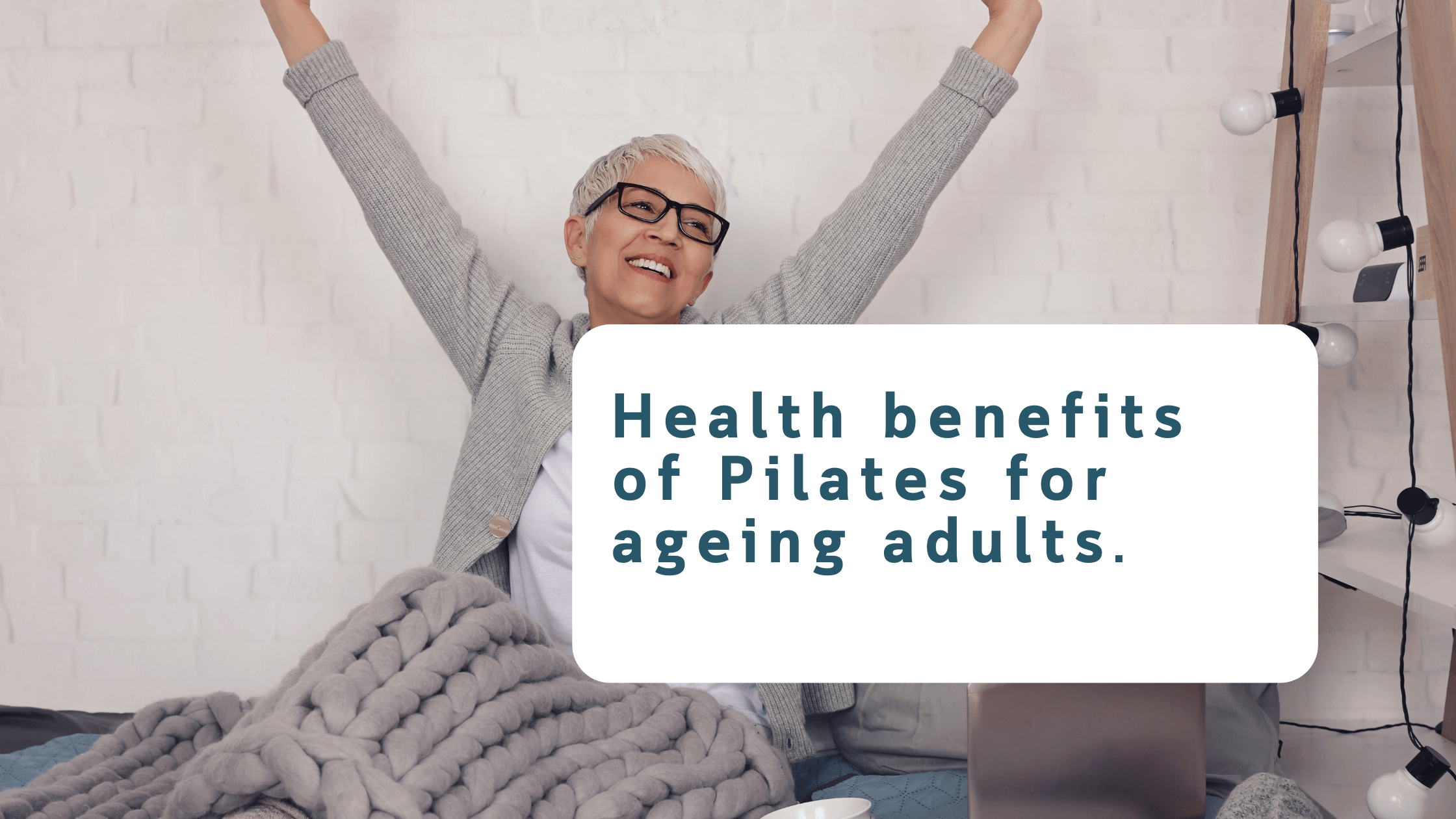
As I age, I have become very aware of activities that that 5 or 10 years ago, I could do with ease, now finding it harder to do.
Knowing what activities I should do that could benefit my future self, has become very important to me.
Here are the very reasons why I continue doing Pilates.
The Comprehensive benefits of Pilates for ageing adults.
01 - Increases bone density

Bones, like muscles, respond to resistance training. Any exercise that involves pulling on the bone to create tension, and working against gravity, strengthens the bone.
This is evident in the study on ‘The effects of clinical Pilates exercises on bone mineral density, physical performance, and quality of life of women with postmenopausal osteoporosis.
Another study showed the ‘Effectiveness of Pilates and Yoga to improve bone density in adult women: A systematic review and meta-analysis
02 - Helps ease back pain
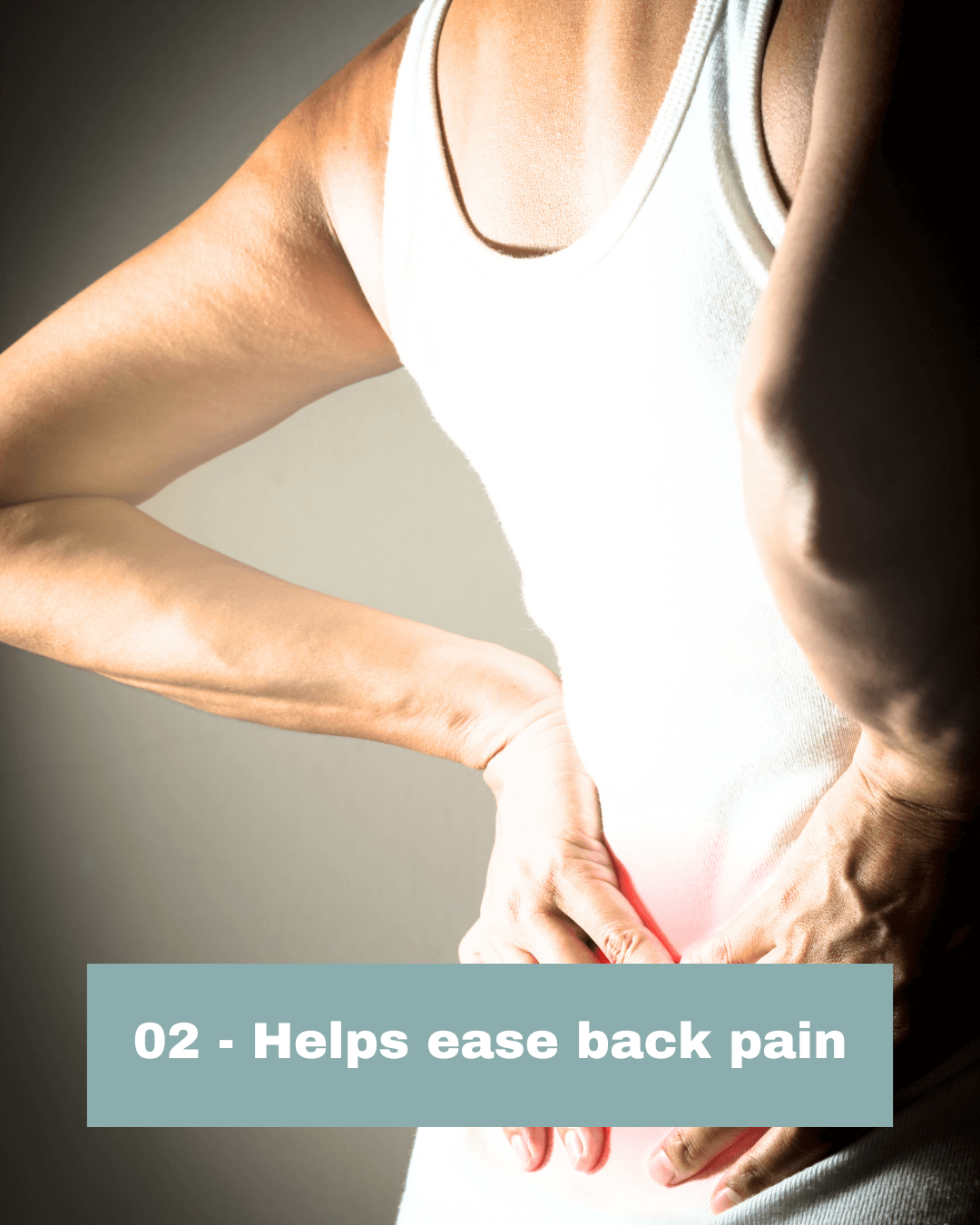
With good posture, your back pain will decrease by having an alignment awareness and conditioning the muscles around the core which helps to promote better spinal health.
One of Joseph Pilates’ original students, Romana Kryzanowska said this about back pain.
You apply Pilates in everyday life, like how you sit, how you walk. You've heard a lot of people complain about back problems; it is because these people walk incorrectly with the last vertebra of their tailbone. They stick it out instead of pulling it in and down.
Joseph said this about poor posture:
Because of poor posture, practically 95% of our population suffers from varying degrees of spinal curvature, not to mention more serious ailments. Good posture can be successfully acquired only when the entire mechanism of the body is under perfect control."
(A systematic review was done on The Effectiveness of Pilates exercise in people with a chronic low back. Read more here.
03 - Improves posture
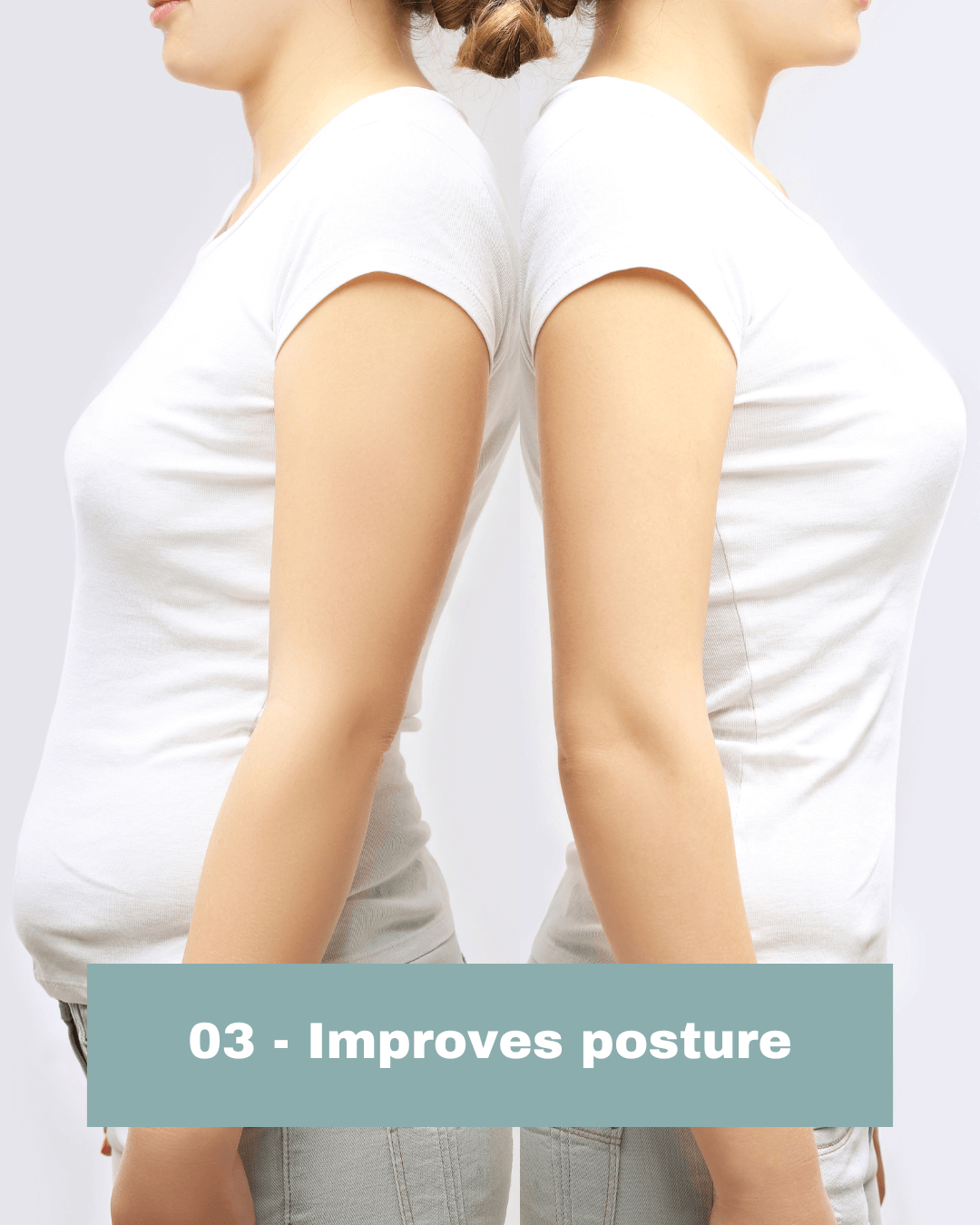
Pilates helps reverse the effects of bad posture by creating muscle balance and symmetry.
In other words, doing Pilates can help undo the bad posture habits picked up while working at a computer or scrolling through social media.
Have you noticed that people who attend Pilates have a posture awareness, like that of a dancer? Apart from regular strengthening of the core muscles, good posture is a reflection of good alignment, supported by a strong core, making movement free and easy.
We are spending more time at our computers and other devices than ever before. The outcome - an increase of text-neck, more neck pain, and strain, lower back strain.
That’s where Pilates comes in, by strengthening the muscles that hold our skeleton up and lengthening tight muscles to improve your posture.
Pilates uses both sides of the body equally, strengthening weak postural muscles and stretching tight muscles, resulting in a body equally aligned on both sides of the body.
“Because of poor posture, practically 95% of our population suffers from varying degrees of spinal curvature, not to mention more serious ailments. Good posture can be successfully acquired only when the entire mechanism of the body is under perfect control.
Good posture can be successfully acquired only when the entire mechanism of the body is under perfect control.” - Joseph Pilates
04 - Injury prevention
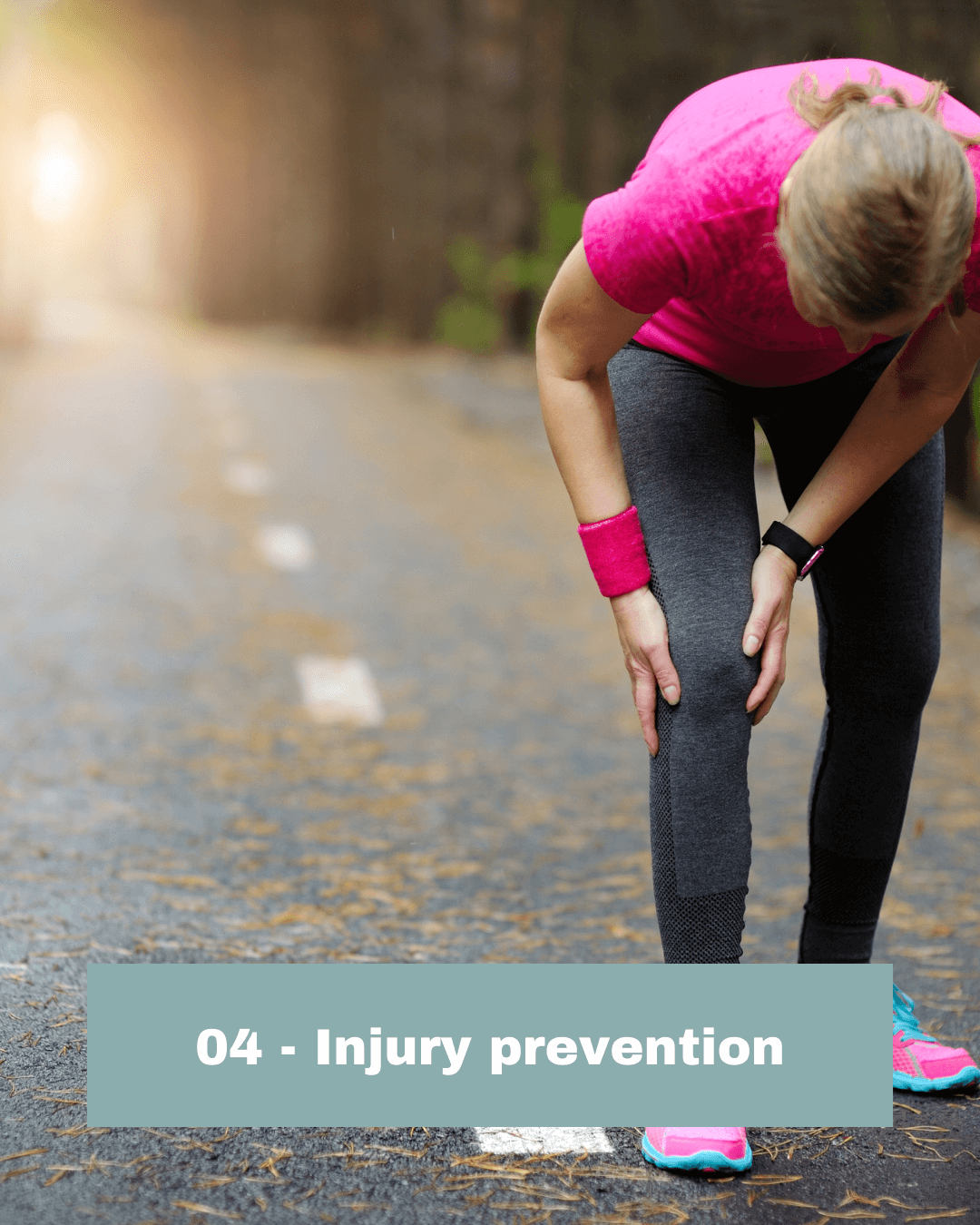
Pilates improves flexibility, strength, and balance, and in doing so can reduce your risk of injury.
05 - Improves breathing
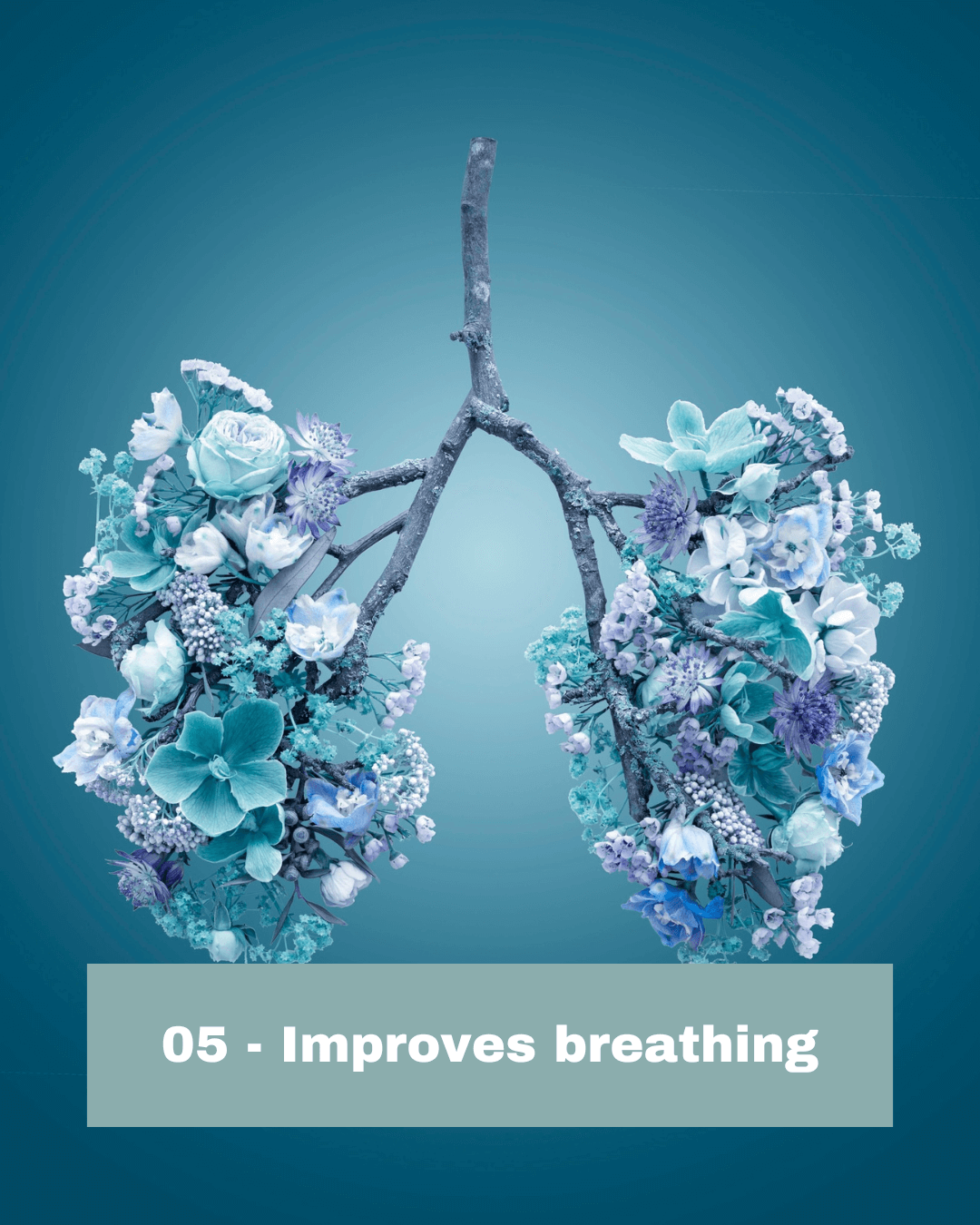
If we have bad posture, we are often “buckled over” limiting the full use of our ribcage as we are unable to allow the ribcage to fully move up and down only sideways.
As a result, we become “shallow” breathers and probably sigh often as we cannot inhale enough oxygen.
Having good posture improves your breathing. If your back is more upright and your chest “lifted” your rib cage will be more open, making breathing more efficient.
Pilates focuses on breathing and Pilates’ breathing is unique to Pilates. Our natural breathing is very shallow, using only our upper diaphragm. During Pilates exercises, we make use of a deep inhale (filling up the lungs entirely [including the sides and back of the lungs too]) and a slow exhale. Practicing Pilates breathing will improve your breathing. “The Hundred” exercise in Pilates shows this breathing technique very well, where you would inhale for 5 counts and exhale for 5 counts as you “pump” your arms.
I had struggled with exercise-induced asthma for 23 years of doing ballet and running. Since I have done Pilates, I have learned to fill my lungs during my inhale, and how to control my exhale throughout the movement. Ever since then, I have not had an asthma attack.
I also follow this breathing throughout my Taekwondo classes, our Instructors place a great emphasis on breathing, which not only helps us get through our fitness or our sparring section of the class but throughout all our movements.
06 - Improves circulation
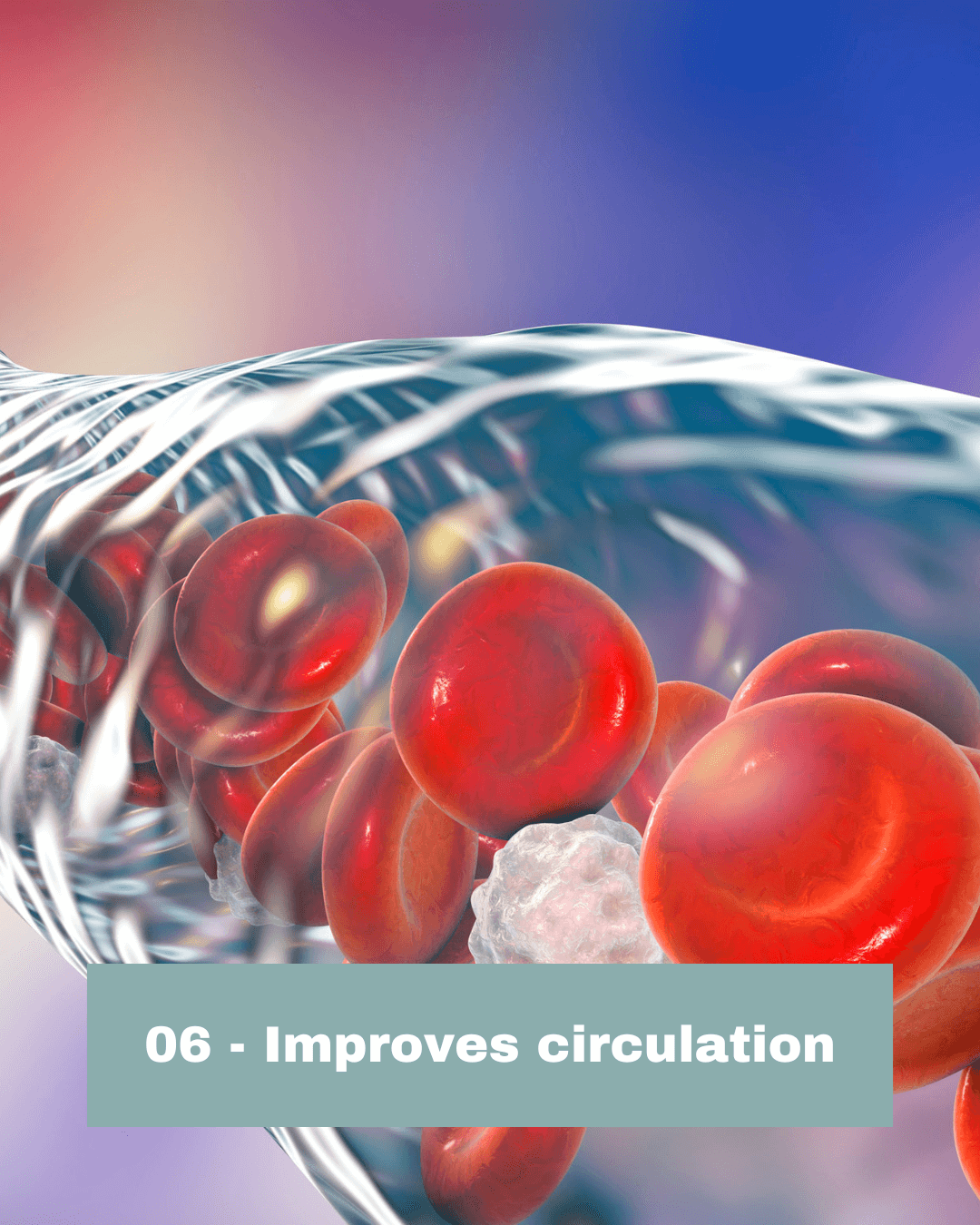
The “pumping’ movement of the arms during the Hundred exercise, increases your heart rate, pumping more blood and therefore increasing your circulation. In many of the Pilates exercises, Joseph Pilates describes it as “bodily house cleaning.”
07 - Improves balance
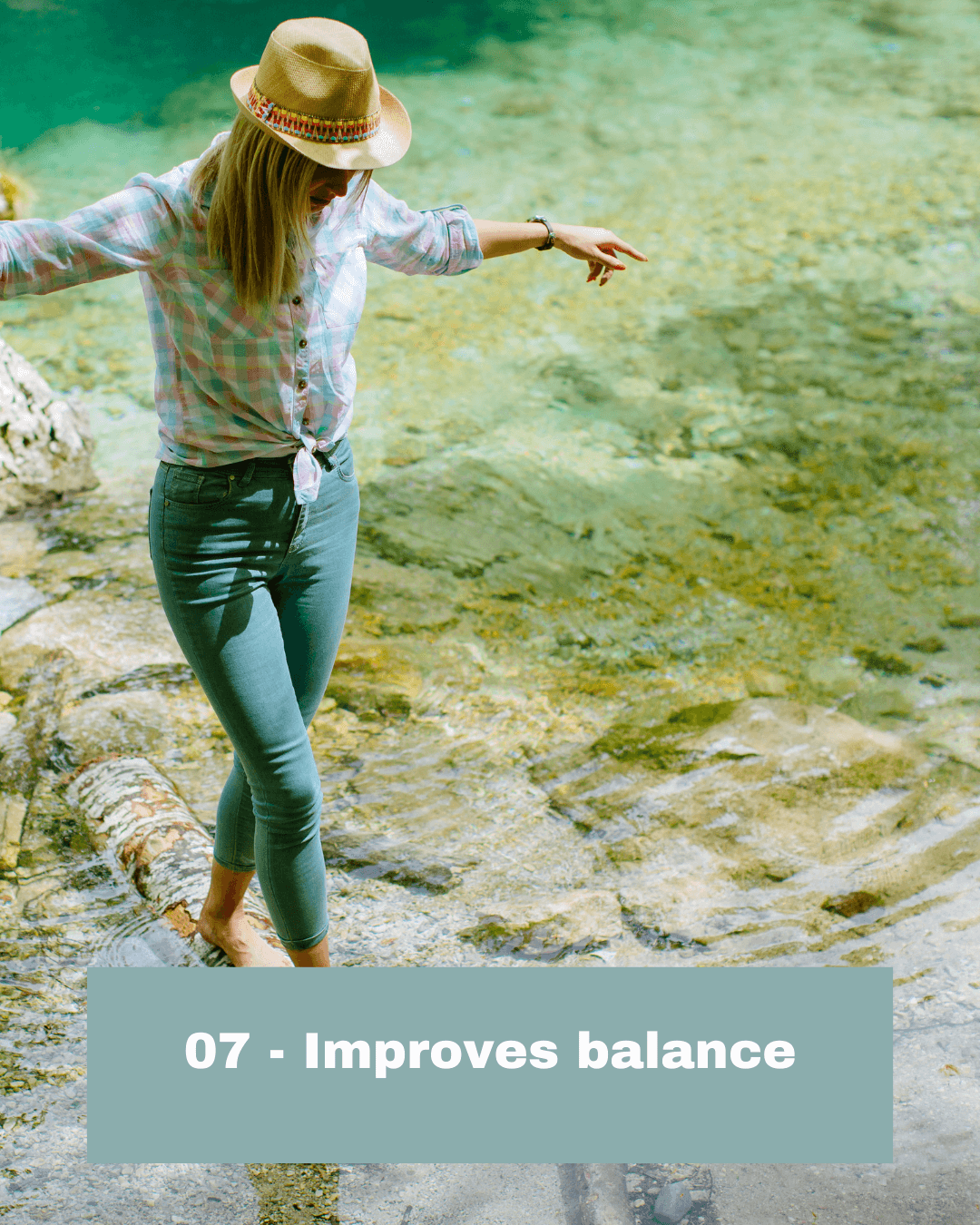
By strengthening your core muscles (the deep muscles of the back, abdomen, and pelvic floor) your balance will also improve. When our core is strong, the frame of the body is properly supported.
(A study was done on the effects of a six-week Pilates intervention on balance and fear of falling in women over 65 with chronic low-back pain. Read more about it here.)
08 - Improves flexibility

Pilates improves flexibility, strength, and balance, and in doing so can reduce your risk of injury.
The more flexible we are, the easier and less painful our movement becomes. We live in a world where we are glued to our digital devices, causing immeasurable damage both to our necks and backs.
Unlike other exercise training programs, a balanced Pilates program focuses on every aspect of the spine like flexion (bending forward) rotation (e.g. imagine turning your upper body to look behind you as you reverse down the driveway), extension (bending backward), lateral flexion (bending sideways) and flexion with rotation (e.g. imagine you are brushing your teeth, been bent forward over the basin when your cat walks into the bathroom and you turn your upper body slightly towards her while still being bent over the basin. Does this make sense?)
I have a 76-year-old client, Elsa, who I met about 4 years ago and since has become my client. Having had knee surgery and taking her age into account, I taught Elsa Pilates on her bed.
Every day she diligently does her Pilates exercises and says “Doing so, keeps her alive.” I can see the improvement in her posture and a ‘bounce’ in her step.
“True flexibility can be achieved only when all muscles are uniformly developed.”
“If your spine is inflexibly still at 30, you are old. If it is completely flexible at 60, you are young.” - Joseph Pilates
(A controlled trial was done to see if a Pilates exercise program could be effective on balance, flexibility, and muscle endurance. Read more about the trial here.)
Another study conducted by Segal et al (2004) showed that just one hour of Pilates per week improved the flexibility of their subjects that was similar to changes achieved by 10 sessions of intensive physiotherapy.
“True flexibility can be achieved only when all muscles are uniformly developed.”
— Joseph Pilates
09 - Builds cardiovascular endurance
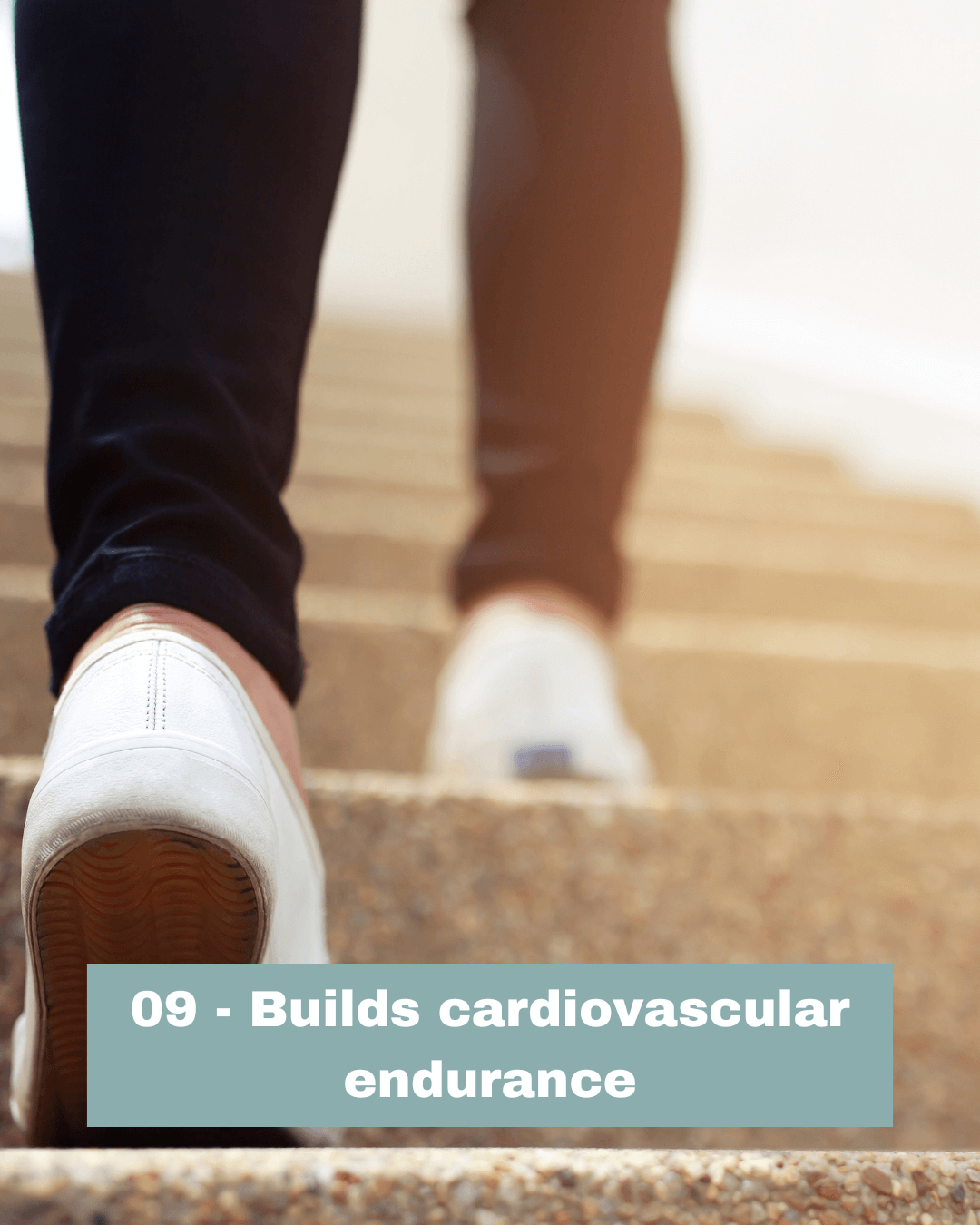
Moving from one exercise to the next keeps the heart rate up, keeping it up throughout the workout builds endurance.
This feeds into our daily life, for example, being able to walk up a flight of stairs without being breathless.
10 - Strengthens the core
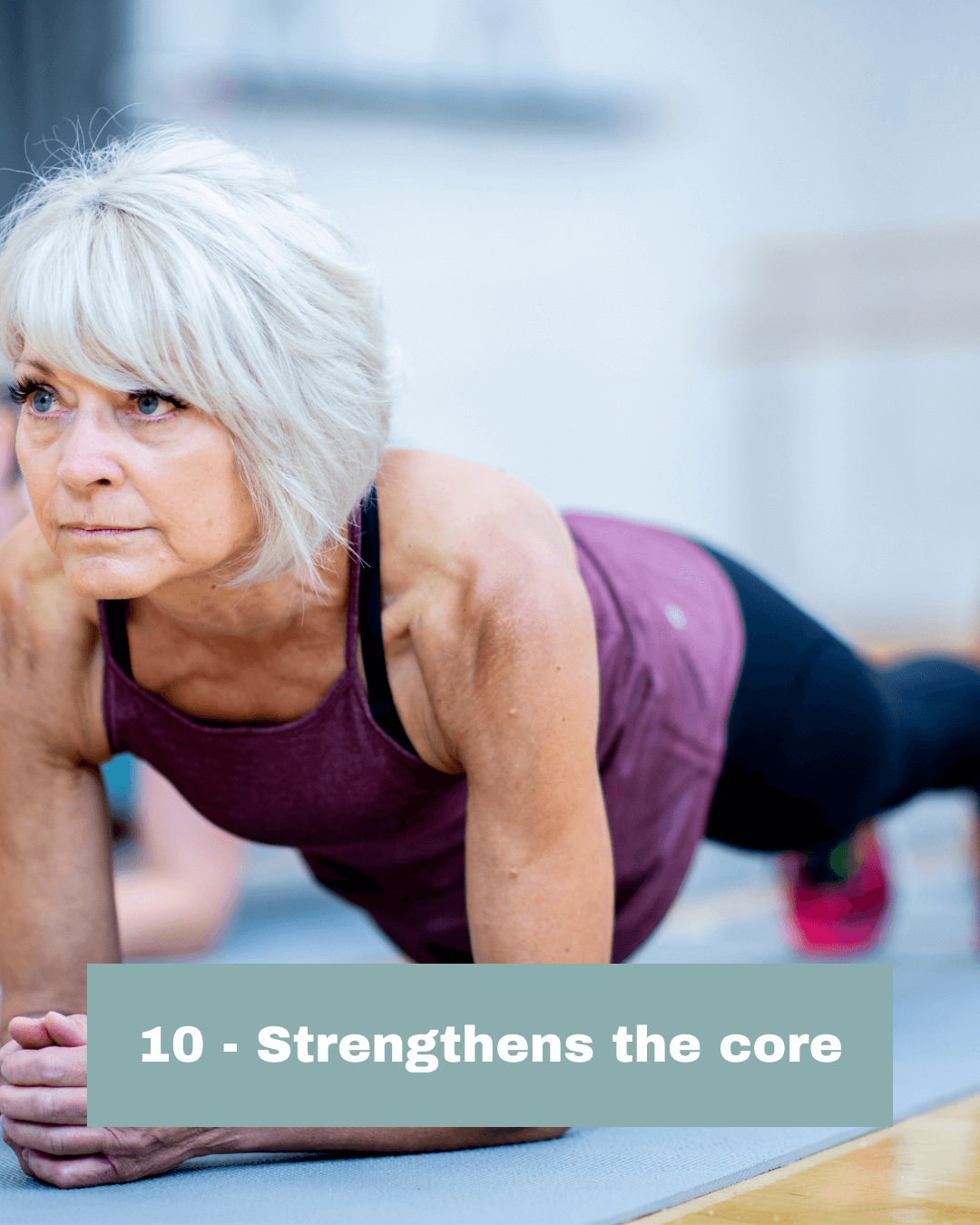
As mentioned before, the core muscles of the body are the deep muscles of the back, abdomen, and pelvic floor.
These muscles are used to support a strong and supple back and helps in maintaining good posture, and painless effective movement.
When our core is strong, the muscles that support the frame of our body are then also supported.
11 - Improves stamina and strength
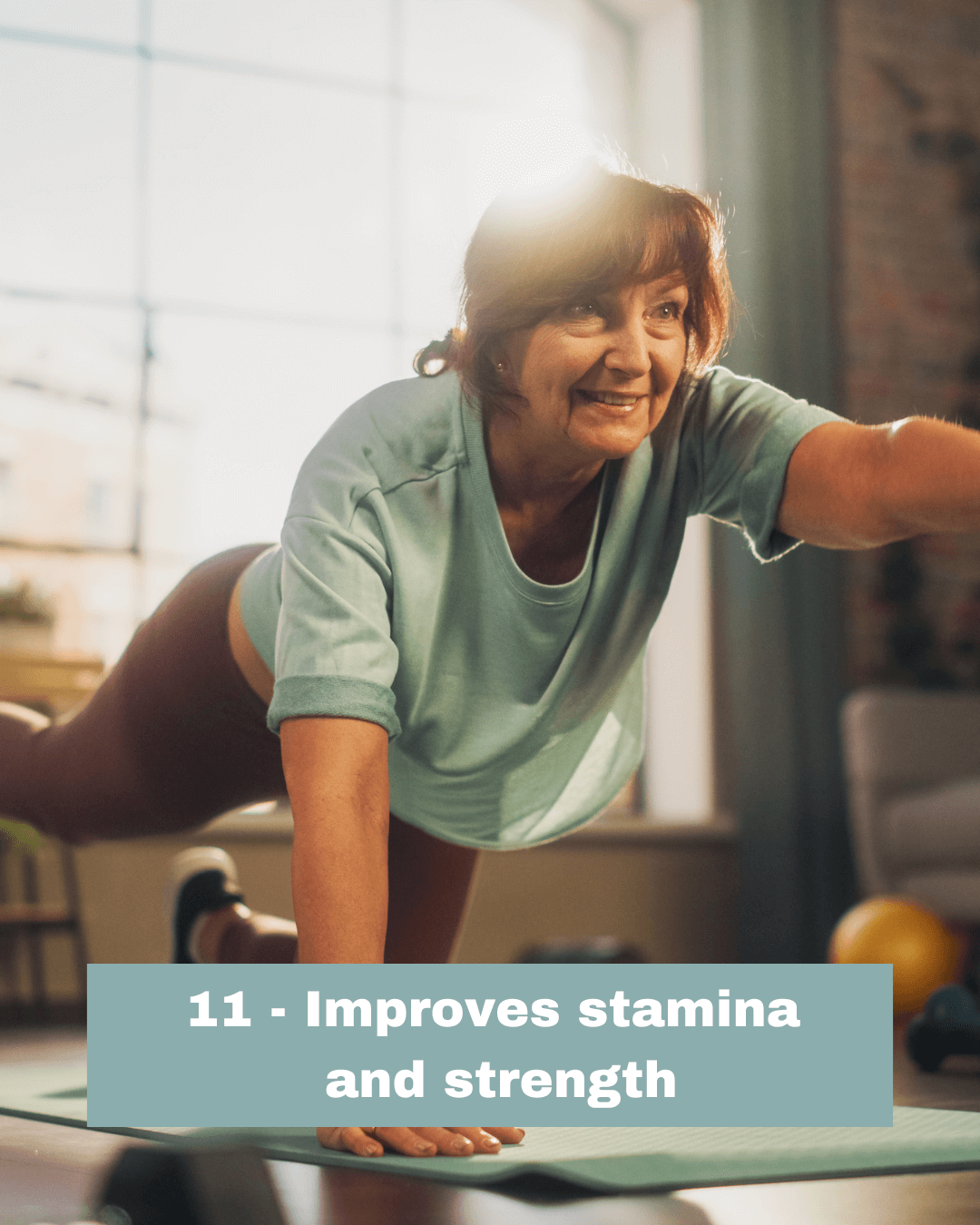
When you first start practicing Pilates, you will find that you can only do a few repetitions correctly at first.
Anyone can flap through an exercise, just to get through the exercises, but few can do so correctly and incorporate all the Pilates principles.
You will become stronger the more you practice Pilates and your repetitions will improve as you strengthen.
12 - Improves sports performance
Pilates compliments cross-training and any other sports.
Many sports like tennis, golf, and hockey are one-sided which causes the body to be lopsided and misaligned.
Pilates uses both sides of the body to create a balanced strong body.
13 - Pilates reduces stress
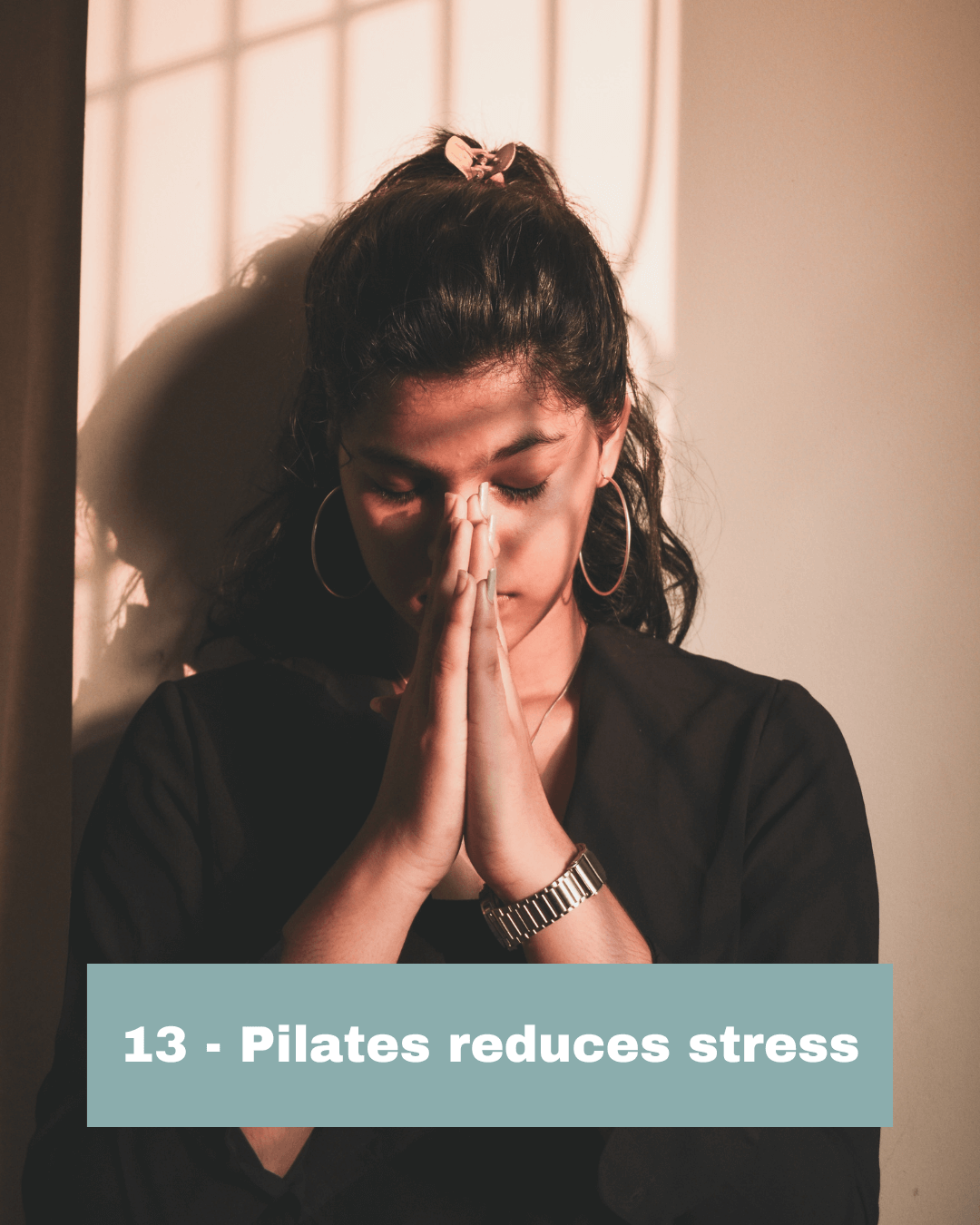
Being present with each movement and consciously focusing on connecting your breath to the movement, creates a sense of calm.
When you are focusing on each inhale and each exhale, there is little space to think about anything else.
14 - Pilates helps with sleep
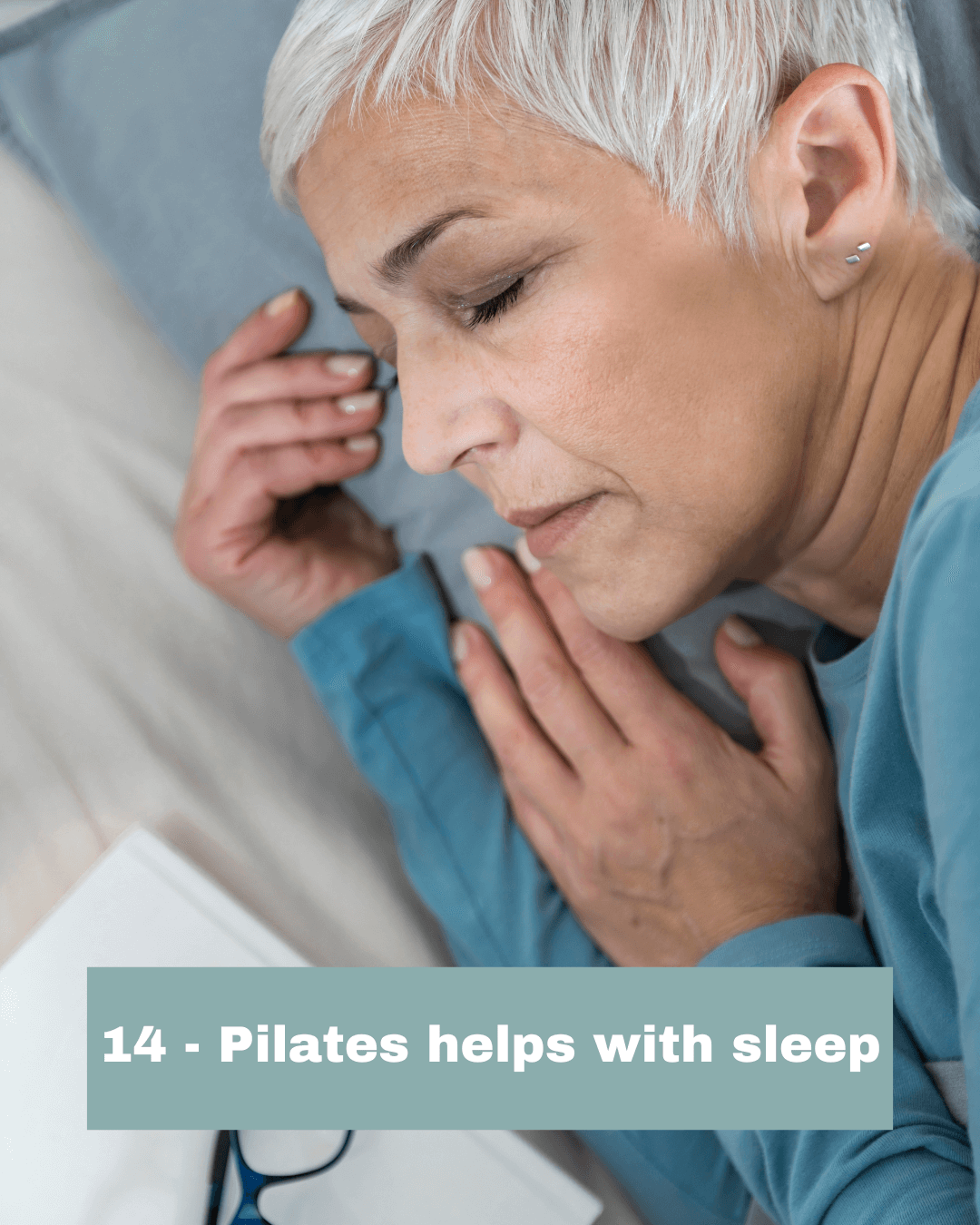
The stress-relieving benefits as mentioned above can help with sleeping better.
Try this the next time you struggle to fall asleep:
Inhale through your nose for one count and slowly release your exhale through your mouth, like fogging up a mirror for one count.
Repeat inhaling for 2 counts and exhaling for 2.
Continue right up to 5 slowly in and 5 slowly out.
Should you still not feel relaxed, continue increasing the inhale and the exhale counts until you feel relaxed and ready to slip into sleep.
15 - Pilates makes you feel good!
Pilates is rewarding and challenging at every level. It's mentally engaging; focusing on each breath and concentrating on each movement.
Participants feel rejuvenated, standing taller and feeling happier than when they first arrived.
“Contrology develops the body uniformly, corrects wrong postures, restores physical vitality, invigorates the mind, and elevates the spirit.” — Joseph Pilates
16 - Pilates can be done anywhere.
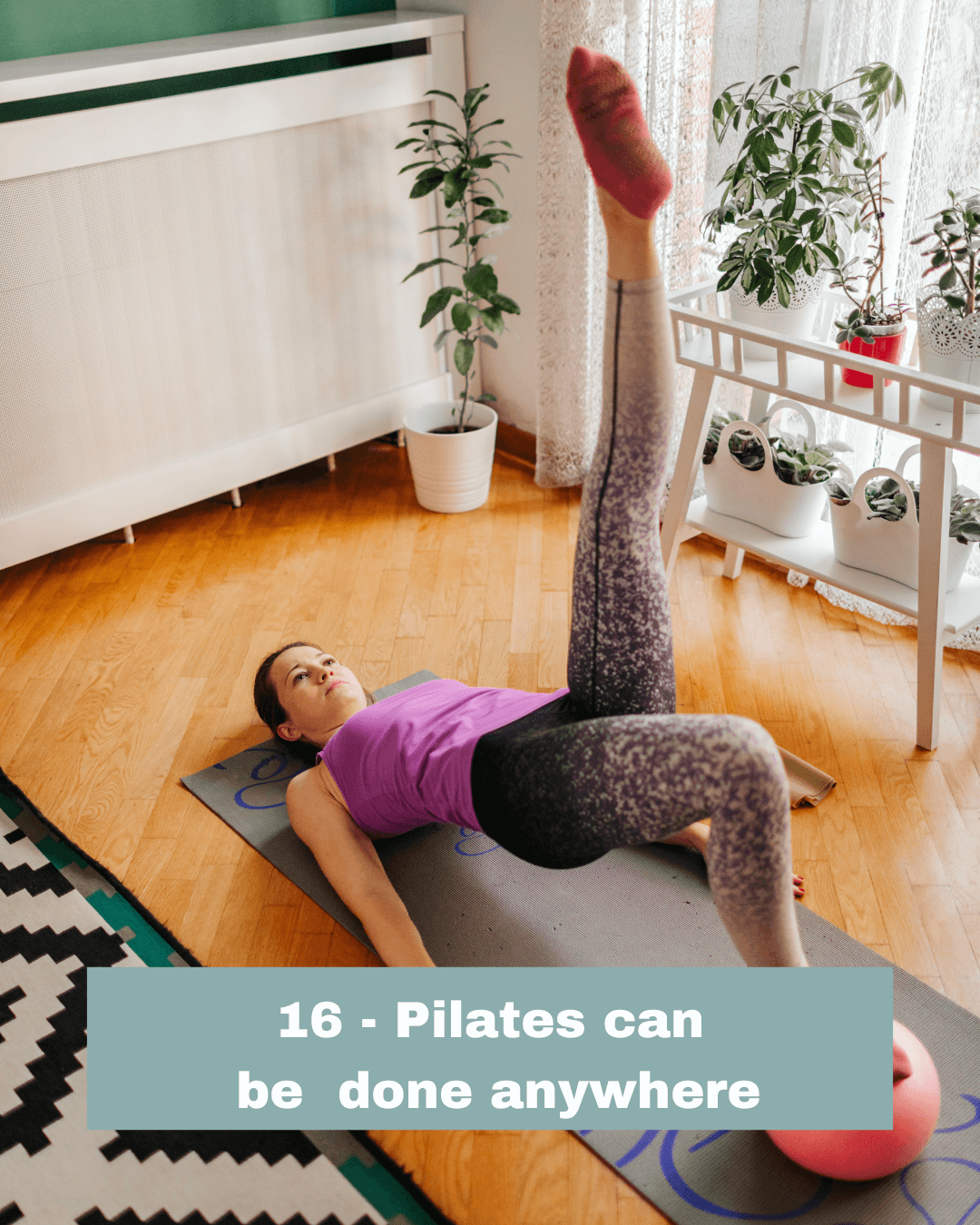
Mat Pilates can be done anywhere. You are not restricted to a Pilates studio’s equipment.
All you need is a mat or as I mentioned a bed.
After having both my feet operated on to remove my bunions, the only exercise I could do was Pilates on my bed as there was no way I was able to get down or up from the floor.
It was heaven to be able to move again. I found I was able to do most of the exercises with boots and all. I left the more advanced exercises for a later date.
Some small equipment can be added to enhance, aid, or challenge you for example balls, foam roller, Pilates circle, and hand weights or a band, but they are not essential for mat classes.
Doing Pilates on a regular basis will not only improve your core, but your posture, breathing, your body awareness, stamina, and strength. The benefits of Pilates will transform the way your body feels and how you carry yourself, with confidence.